






The ring on your finger may now know more about your body than a routine doctor’s visit. Devices like the Oura Ring track resting heart rate overnight, measure heart rate variability as an indicator of nervous system health, monitor subtle changes in skin temperature, and generate daily readiness scores that estimate how prepared your body is for stress.
In 2026, this level of continuous, non-invasive health monitoring has moved from elite athletes to everyday consumers. Millions of people are now using wearable technology to better understand their bodies — and to make more informed lifestyle decisions.
Globally, health and fitness app downloads reached 3.6 billion in 2024, and the wearable technology market has expanded rapidly since. In the UAE, adoption is even faster, driven by a young, tech-savvy and increasingly health-conscious population.
Beyond the Smartwatch
Smartwatches were the first wave of consumer health technology. Devices like the Apple Watch and Samsung Galaxy Watch introduced heart rate monitoring, step tracking, and sleep analysis to a global audience.
Today, they remain popular — but they are no longer alone.
A new generation of specialised wearables is emerging. Smart rings, such as the Oura Ring, provide continuous tracking in a compact and discreet format. Because they sit closer to blood vessels in the finger, some experts believe they can deliver more precise readings than wrist-based devices.
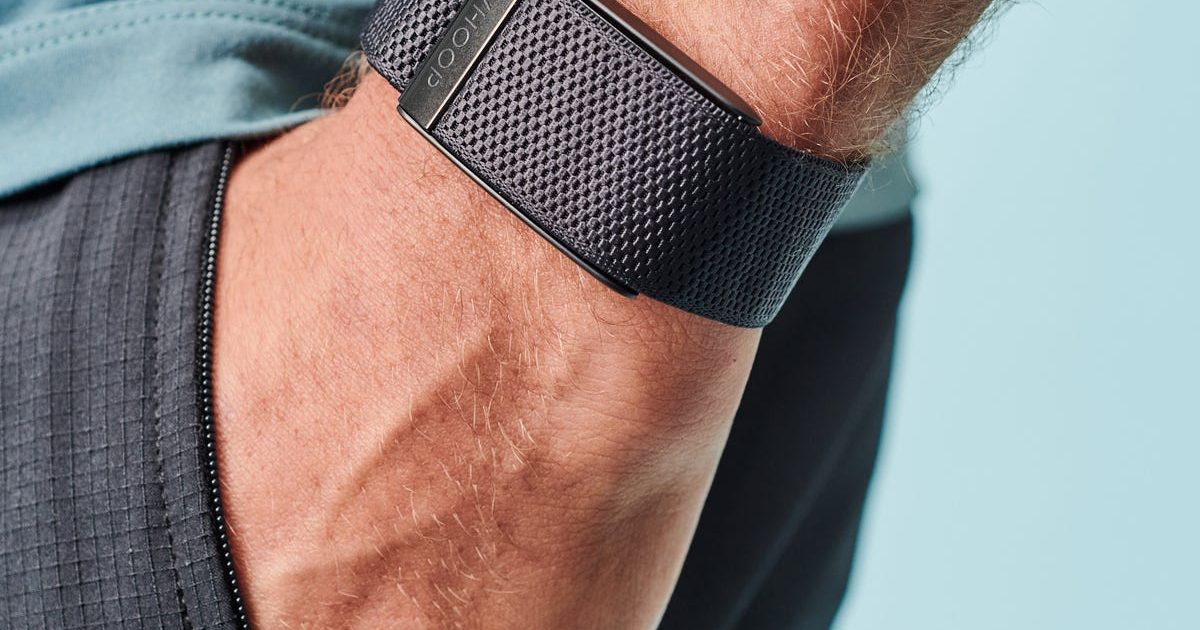
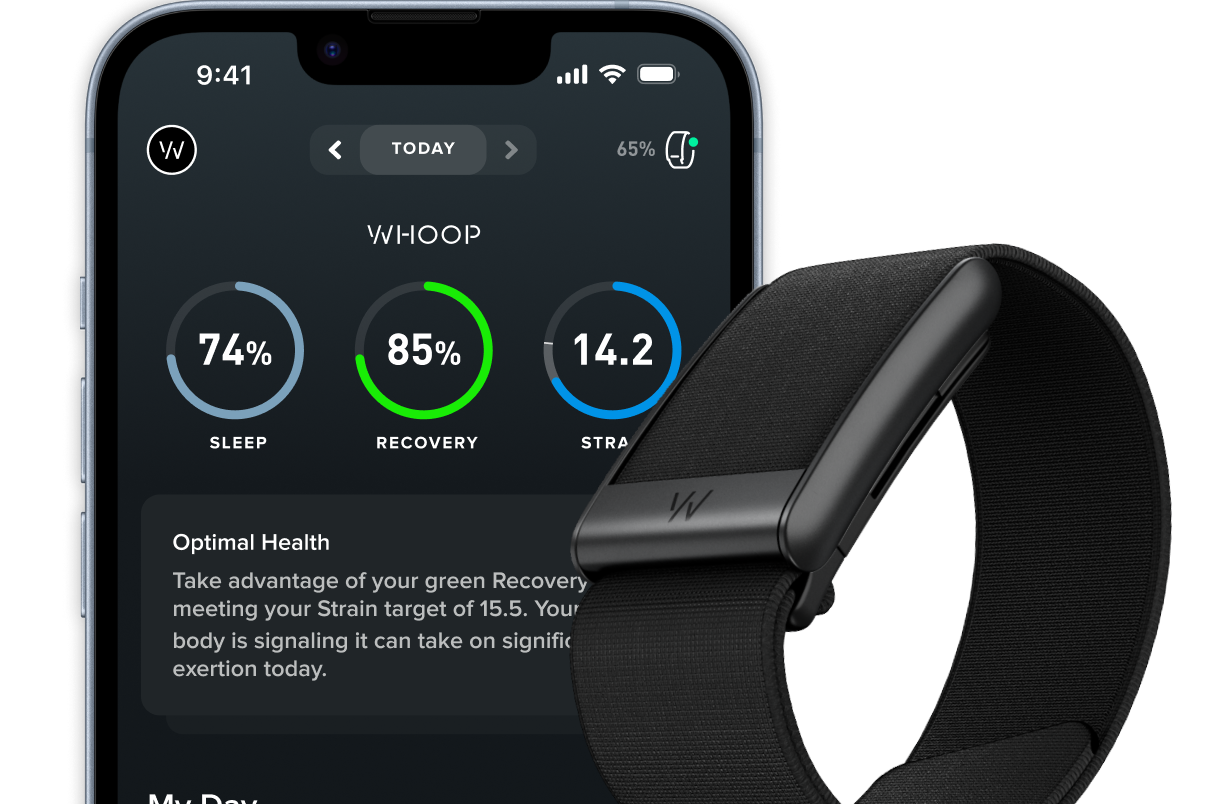
Meanwhile, wearable bands like WHOOP are designed for performance tracking. Rather than focusing on steps, they measure strain, recovery, and readiness, making them popular among athletes and professionals looking to optimise performance.
The Rise of Glucose Monitoring

One of the most important developments in 2026 is the growing use of continuous glucose monitors (CGMs) beyond diabetes care.
These small sensors, typically worn on the back of the arm, measure blood sugar levels in real time and send updates to a smartphone every few minutes.
For non-diabetic users, the value lies in understanding how the body responds to food, exercise, and sleep. Users can see how certain meals trigger glucose spikes, how workouts affect metabolism, and how sleep influences energy levels the next day.
This kind of personalised data was once limited to clinical settings. Today, it is accessible to everyday users at a relatively low cost.
Health experts, however, urge caution. The science is still evolving, and misinterpreting the data can lead to unnecessary dietary restrictions. Still, the trend is clear — personalised metabolic tracking is becoming a key part of modern wellness.
Sleep Tracking Takes Centre Stage

Sleep has become one of the fastest-growing areas in wearable health technology.
The reason is simple: poor sleep affects almost every aspect of health. It impacts focus, increases stress, disrupts metabolism, and weakens the immune system. Yet many people still lack clear insights into their sleep quality.
Devices like Oura, WHOOP, and advanced smartwatches now estimate sleep stages — including deep sleep and REM — using data from heart rate, movement, breathing, and temperature.
In the UAE, where late nights, busy schedules, and high temperatures can disrupt sleep patterns, this data is helping users make meaningful changes — from adjusting bedtime routines to improving recovery habits.
UAE’s Growing Role in Digital Health

The UAE is not just adopting wearable health technology — it is actively shaping its future.
Authorities in Dubai are exploring ways to integrate wearable data into broader digital health systems, potentially using anonymised insights to improve public health planning.
In Abu Dhabi, remote patient monitoring programmes are already being tested, allowing healthcare providers to track patients’ health data between appointments.
These developments point toward a future where continuous monitoring becomes part of standard healthcare — enabling earlier diagnosis, better prevention, and more personalised treatment.
The Privacy Question
With more data comes more responsibility.
Wearable devices collect highly sensitive information — from heart rate and sleep patterns to stress levels and location data. This raises important questions about who owns that data, how it is stored, and who can access it.
While the UAE has strengthened its data protection laws, the regulation of health data is still evolving. Users are encouraged to review privacy settings carefully and understand how their data may be used — whether for research, marketing, or sharing with third parties.
The benefits of wearable technology are significant, but so are the risks if data is not properly protected.
What It Means for UAE Residents
Wearable technology is no longer just about gadgets — it represents a shift in how people interact with their own health.
Instead of relying on occasional medical check-ups, individuals now have access to continuous, real-time insights about their bodies. This allows for earlier awareness, better decision-making, and more personalised health management.
For UAE residents, the message is clear. The technology offers powerful tools to improve wellbeing — but it must be used thoughtfully.
Data should guide decisions, not create anxiety. And while algorithms can provide insights, the final judgment should always remain human.