


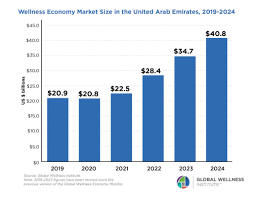
The numbers that have just been published by the Global Wellness Institute paint a remarkable picture of how dramatically the UAE has transformed its health and wellness offering in just a few years. The country’s wellness economy is now valued at $40.8 billion, making it the fastest-growing in the Middle East and North Africa region. The wellness tourism sector alone grew at a compound annual growth rate of 23.5 percent and is now worth $11.3 billion. Dubai sits at the heart of this transformation and understanding why it has happened tells you a great deal about where the city is heading.
What Is Driving the Growth
Several forces are converging to make the UAE a global wellness destination. The UAE Tourism Strategy 2031 explicitly identifies medical and wellness tourism as a priority growth area. Significant government investment has gone into building world-class medical infrastructure including specialist hospitals and research centres. The real estate sector has embraced wellness as a premium differentiator, with developers integrating spa facilities, biophilic design, air quality systems and fitness infrastructure into projects to a standard that most other markets do not match. New developments like SHA Emirates and Aldar’s Fahid Island, Abu Dhabi’s first coastal wellness destination, are examples of this trend at its most ambitious.
The Social Wellness Club Revolution
One of the most interesting developments in Dubai’s wellness scene is the rise of social wellness clubs. These are spaces that bring together movement, recovery and community under one roof in a way that traditional gyms never managed. Members train, use recovery facilities including saunas, ice baths and cryotherapy chambers, eat at in-house healthy restaurants and socialise with a community of like-minded people. The model has resonated particularly strongly with Dubai’s international population, who find in these spaces a sense of community that can be difficult to build in a large transient city.
Mental Health Finally Getting Serious Attention
Perhaps the most significant shift in Dubai’s wellness culture is the mainstreaming of mental health as a genuine priority rather than a stigmatised afterthought. The current regional conflict has accelerated awareness of psychological wellbeing as more residents experience anxiety, disrupted sleep and stress. Mental health clinics, therapists and digital mental health platforms are all reporting increased demand and the UAE government has been expanding access to mental health services as part of its broader healthcare strategy.
Source: Global Wellness Institute, UAE Tourism Strategy, What’s On Dubai