





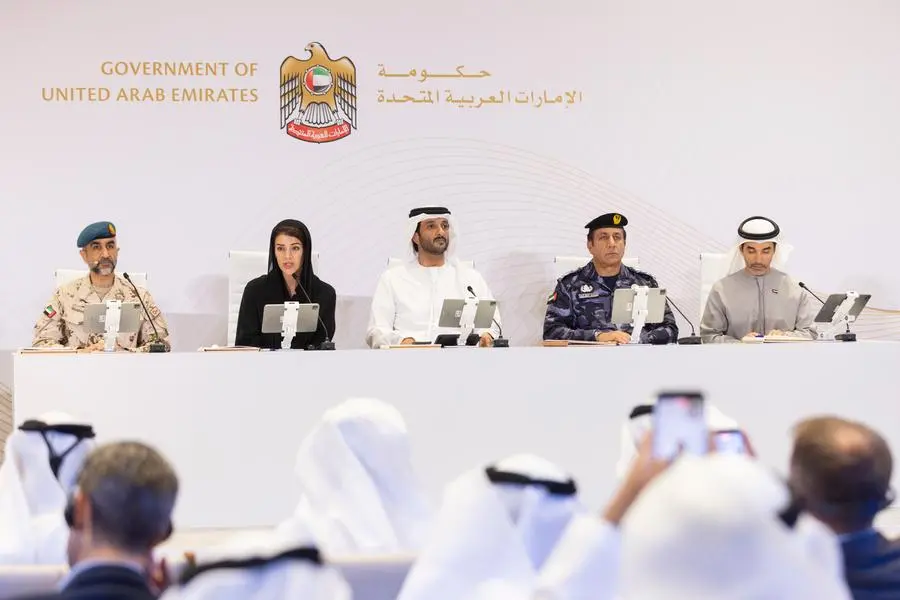
Tensions in the Gulf have escalated sharply after a UAE diplomat strongly rejected Iranian accusations related to recent attacks in the region, describing the claims as “absurd” and warning they represent an “irresponsible escalation.”
The remarks come amid a rapidly intensifying conflict involving Iran, the United States, and Israel — a crisis that is increasingly spilling into Gulf countries, including the UAE.
UAE Pushes Back Against Iranian Allegations
The dispute centres on Iranian claims that Gulf countries — including the UAE — were involved in or facilitated attacks on Iranian territory.
UAE officials have firmly denied these accusations, calling them misleading and baseless. Diplomats stressed that the country has not participated in any offensive operations and has instead focused on protecting its own territory and infrastructure.
The UAE’s position is clear: it rejects being drawn into the conflict and views such claims as part of a broader escalation that risks destabilising the region further.
Conflict Spreads Across the Gulf

The diplomatic tensions come against the backdrop of real attacks across the Gulf.
Iran has launched missile and drone strikes targeting energy infrastructure in multiple countries, including the UAE. Key facilities such as Abu Dhabi’s Habshan gas site and Bab oil field have been affected, although air defence systems intercepted many of the threats.
Across the region, energy sites in Qatar and Saudi Arabia have also been hit, pushing oil prices higher and raising fears about global supply disruptions.
These developments highlight how quickly the conflict has expanded beyond its original scope, placing Gulf nations at the centre of a wider geopolitical crisis.
The Trigger: Accusations Over US Strikes
At the heart of the dispute are allegations from Tehran that US strikes on Iranian targets — including the strategic Kharg Island — were launched from neighbouring countries.
Iran has specifically suggested that Gulf states played a role, even demanding compensation and accusing them of facilitating attacks.
The UAE has categorically rejected these claims, reiterating that it has not allowed its territory to be used for military operations against Iran.
Officials argue that such accusations are not only false but risk inflaming an already volatile situation.
UAE Calls for De-escalation

Despite the strong language used to reject Iran’s claims, the UAE has continued to emphasise the need for diplomacy.
At the United Nations and in regional discussions, Emirati representatives have called for an immediate de-escalation and a return to dialogue.
The country has also taken defensive measures, including strengthening security around critical infrastructure and issuing public safety guidance as attacks continue.
The dual approach — firm rejection of accusations alongside calls for calm — reflects the UAE’s attempt to balance security concerns with regional stability.
A Region on Edge
The broader context is one of growing instability.
Iran has warned of further strikes on Gulf energy sites, while Gulf countries have condemned these actions as violations of sovereignty and threats to civilian infrastructure.
Airspace disruptions, energy facility shutdowns, and rising oil prices are already impacting both regional economies and global markets.
At the same time, diplomatic tensions are being amplified by an information war — with competing narratives about responsibility and involvement spreading across international platforms.
What It Means for the UAE
For the UAE, the situation is both a security challenge and a diplomatic test.
The country must protect its infrastructure and population while avoiding deeper involvement in a widening conflict.
By rejecting Iranian claims as “absurd” and warning against escalation, UAE officials are signalling a clear stance: they will defend national interests, but they do not want the conflict to expand further.
As tensions continue to rise, the coming weeks will be critical in determining whether the region moves toward de-escalation — or deeper confrontation.