


UAE Growth Holds Strong at Around 5% in 2026
The UAE economy growth in 2026 is expected to reach around 5%, placing the country among the fastest-growing major economies globally despite ongoing global uncertainty.
While many advanced economies continue to face pressure from inflation, supply chain challenges, and geopolitical risks, the UAE has maintained steady momentum. This performance is largely driven by strong expansion in non-oil sectors, which now form the backbone of the national economy.
For residents and businesses, this growth is translating into more job opportunities, increased investment activity, and improved economic stability across the country.
Global Forecasts Continue to Improve
International institutions have increasingly upgraded their outlook for the UAE economy.
The World Bank and International Monetary Fund both project solid medium-term growth, with expectations that the UAE will maintain this momentum into 2027. Financial institutions have also revised their forecasts upward, reflecting stronger-than-expected performance across services, trade, and infrastructure sectors.
The Central Bank of the UAE remains among the most optimistic, projecting growth slightly above 5% based on domestic indicators such as business activity, employment, and investment trends.
This consistent upward revision highlights confidence in the UAE’s long-term economic strategy and policy framework.
Non-Oil Sectors Now Drive the Majority of Growth
A major shift in the UAE economy is the dominance of non-oil sectors, which now account for over 70% of total GDP.
This marks a significant transformation from previous decades, when hydrocarbon revenues played a much larger role.
Key non-oil sectors driving growth include:
- Financial services
- Tourism and hospitality
- Trade and logistics
- Manufacturing and industry
- Technology and innovation
This diversification has made the economy more resilient to external shocks and less dependent on oil price fluctuations.
Manufacturing Sector Gains Momentum
Manufacturing continues to expand steadily, contributing around 7–8% of GDP, with growth supported by government initiatives and industrial development strategies.
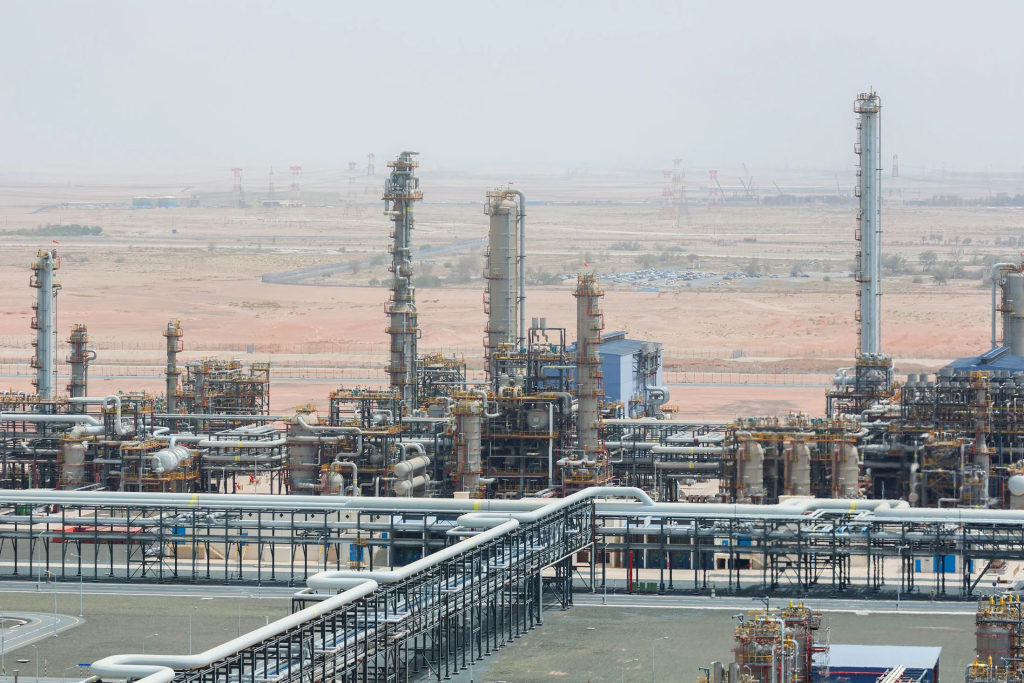
Industries such as petrochemicals, metals, and food processing are seeing increased investment. Companies are leveraging the UAE’s access to energy resources, strategic location, and export capabilities.
At the same time, newer sectors—including renewable energy equipment and advanced manufacturing—are gaining traction, aligning with global sustainability trends.
Business confidence in the sector remains strong, with production, new orders, and hiring all showing positive momentum.
Financial Services Strengthen UAE’s Global Position
The UAE’s financial sector is playing a central role in economic expansion.
Dubai International Financial Centre (DIFC) and Abu Dhabi Global Market (ADGM) continue to attract global banks, asset managers, and fintech companies. This strengthens the UAE’s position as a leading financial hub for the Middle East and beyond.
Banking indicators remain strong, with high liquidity levels and growing deposits reflecting confidence in the system.
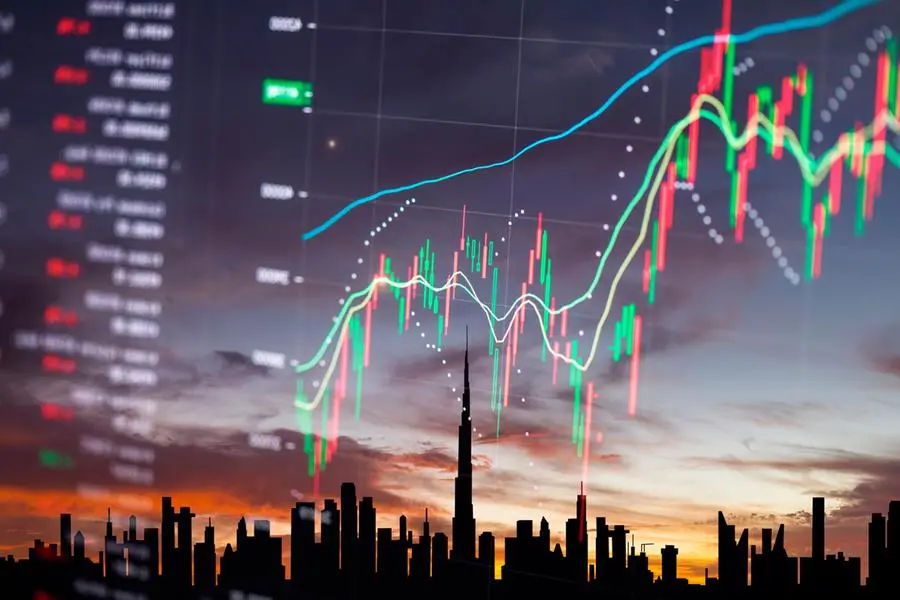
Capital markets have also seen increased activity, with rising investor participation and strong performance across stock exchanges in both Dubai and Abu Dhabi.
Tourism Sector Reaches Record Levels
Tourism remains one of the UAE’s most important economic drivers, contributing approximately 12–14% of GDP.
Dubai alone welcomed millions of visitors in 2025, with momentum continuing into 2026. Hotel occupancy rates remain high, and international arrivals are supported by strong aviation connectivity.
Abu Dhabi continues to expand its cultural tourism offering, with major attractions and events attracting high-value visitors.
Business tourism and large-scale events also play a key role, reinforcing the UAE’s position as a global destination for conferences, exhibitions, and international gatherings.
Trade and Logistics Continue to Expand
The UAE’s role as a global trade hub continues to strengthen, with non-oil trade reaching record levels.
Strategic infrastructure, including ports, airports, and free zones, allows the country to serve as a key link between Asia, Europe, and Africa.
Jebel Ali Port and major airports in Dubai and Abu Dhabi support both cargo and passenger traffic, enabling efficient movement of goods and services.
The country’s high trade-to-GDP ratio reflects its deep integration into global markets and its importance in international supply chains.
Strong Fiscal Position Supports Growth
The UAE maintains a strong fiscal position, supported by budget surpluses and manageable debt levels.
Government investment continues to focus on infrastructure, education, healthcare, and technology, all of which support long-term economic development.
Inflation remains relatively low compared to global levels, helping maintain purchasing power for residents.
The dirham’s stability, linked to the US dollar, also provides confidence for investors and businesses operating in the country.
Infrastructure and Innovation Drive Future Growth
Large-scale infrastructure projects—covering transport, digital connectivity, and urban development—are supporting economic expansion.
Investments in 5G, smart cities, and digital services are helping position the UAE as a leader in innovation.
Technology sectors such as fintech, artificial intelligence, and cybersecurity are growing rapidly, supported by government initiatives and private sector investment.
These developments are creating new industries while improving productivity across existing sectors.
Employment Growth and Opportunities Increase
Economic expansion is leading to strong job creation across multiple sectors.
Opportunities are growing in technology, finance, tourism, and logistics, with increasing demand for skilled professionals.
At the same time, government initiatives are supporting workforce development and encouraging entrepreneurship, helping residents build long-term careers in the UAE.
What This Means for UAE Residents
For residents, the UAE’s economic growth in 2026 brings clear benefits.
There are more job opportunities, stronger business prospects, and continued improvements in infrastructure and services.
At the same time, competition in the job market is increasing, making skills development and adaptability more important than ever.