





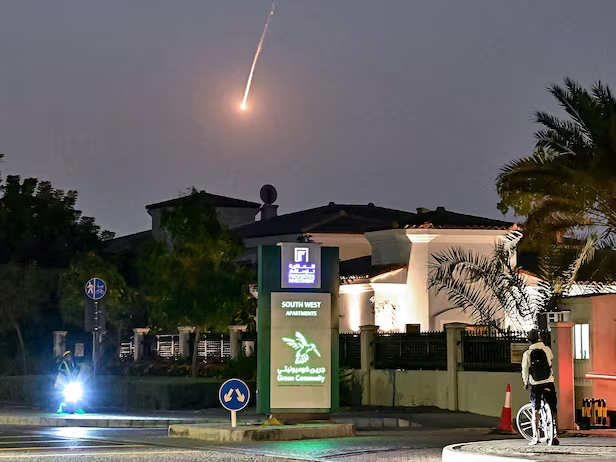
This is something that has already happened to more than one hundred people across the UAE in the past three weeks and it is something that could happen to you if you do not understand where the line is.
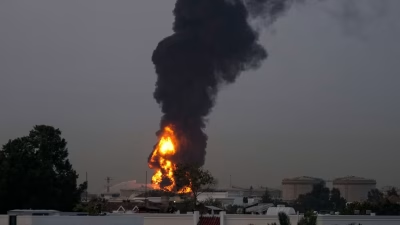
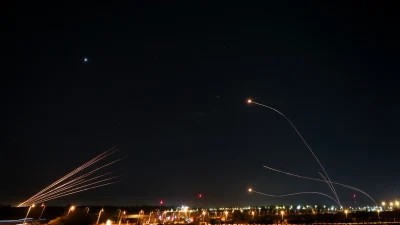
Since Iran began its campaign of missile and drone strikes on February 28, UAE authorities have been quietly but very seriously enforcing a rule that many residents and visitors either do not know exists or do not believe applies to them. Film the wrong thing. Share the wrong video. Comment on the wrong post. And you could find yourself facing criminal charges, a fine, or deportation — on what started as a normal evening in Dubai.
Here is everything you need to know.
What Has Actually Happened So Far
The numbers are not small. Since the start of the Iran war, local and national authorities in the UAE say they have made 189 arrests in connection with alleged violations of the country’s cybercrime laws.
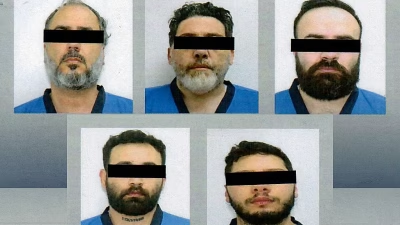
Abu Dhabi Police said that 109 people of various nationalities had been detained for filming sites and events and disseminating inaccurate information, conduct that authorities said could stir public opinion and spread rumours.
State media reported that on March 15, the UAE’s attorney general referred 35 people to expedited trial for posting videos on social media that “promote misleading narratives,” based on an investigation and “electronic monitoring.”
This is not a handful of isolated incidents. This is a systematic, escalating enforcement operation. And the people being caught up in it are not spies or provocateurs. Many of them are ordinary residents and tourists who thought they were doing what anyone would do in an extraordinary situation — reaching for their phone.
The Case That Should Alarm Every Expat
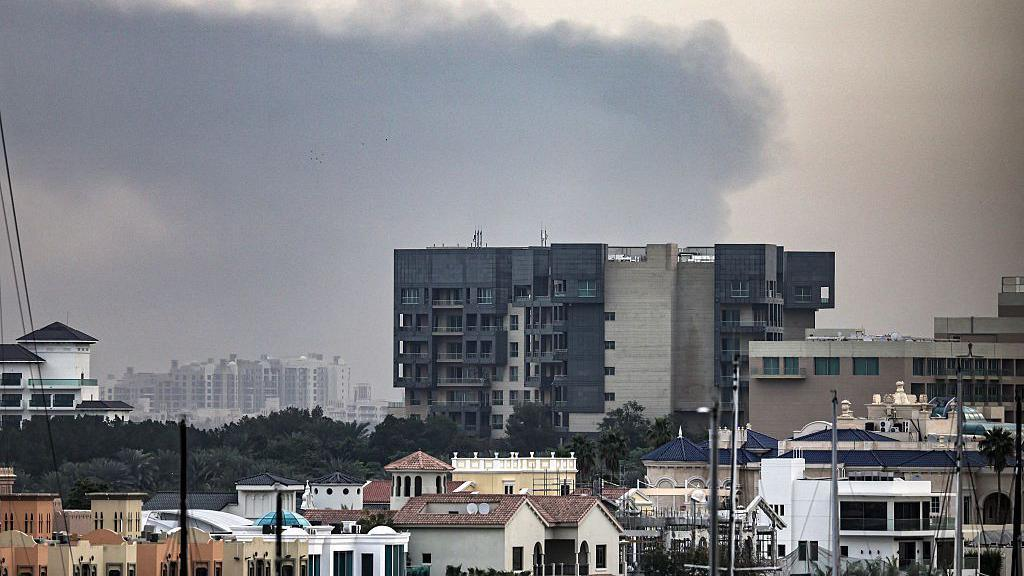
The story that most clearly illustrates how wide the net has been cast involves a 60-year-old British tourist. He has been charged under cybercrime laws for allegedly filming Iranian missiles over the city. He said he immediately deleted the video when asked by authorities and meant no harm, but was still charged. UPI
Read that again. He deleted the video immediately when asked. He was still charged.
The British Embassy in the UAE also warned against recording and posting images or videos of damage caused by Iran’s missiles after this incident. When your own government’s embassy is issuing that kind of warning, the situation has moved beyond theoretical.
Radha Stirling, CEO of Detained in Dubai, said: “The charges sound extremely vague but serious on paper. In reality, the alleged conduct could be something as simple as sharing or commenting on a video that is already circulating online.”
That last part is critical. You do not have to have filmed anything yourself. Sharing a video someone else posted. Commenting on footage that is already viral. Reposting something from a major international news outlet. All of it potentially falls under the same law in the UAE right now.
What the Law Actually Says
The UAE’s cybercrime legislation has existed for years and most residents who know about it think of it in the context of defamation or financial fraud. What many people do not realise is how broadly it can be applied in a national security context.
Penalties can include up to two years in prison, fines ranging from about $5,500 to $55,000, and foreign nationals will face deportation.
Stirling said: “Foreigners need to understand that what may seem like normal social media behavior elsewhere can lead to arrest in the UAE. In some circumstances people can find themselves treated as national security suspects before the facts are even clarified.”
The law does not require intent. It does not require that you published anything widely. The act of capturing, storing or sharing content related to the attacks is enough to trigger an investigation.
Why the UAE Is Doing This
It would be easy to frame this purely as censorship and leave it there. The reality is more layered than that and worth understanding properly, even if you disagree with the approach.
For years, the UAE has marketed itself as a haven of luxury, security and business-friendly predictability, an image amplified by state-supported social media influencers. That image is the foundation of its entire economic model. Tourism, international business, global talent, foreign investment — all of it rests on the perception of Dubai and Abu Dhabi as safe, stable and functioning.
When explosions are being filmed and uploaded in real time by millions of residents with smartphones, that image takes damage that no air defence system can intercept. The UAE government is not just fighting Iran’s missiles. It is fighting a parallel information war over what this country looks and feels like to the outside world.
Authorities have also sought to project calm. UAE President Sheikh Mohamed bin Zayed al-Nahyan and his defence minister appeared publicly at a café in Dubai Mall, state media images showing them having coffee among shoppers. The arrests and the presidential café visit are two instruments of the same strategy.
Whether that strategy is justified is a legitimate debate. What is not debatable is that it is being enforced aggressively and that ignorance of the law is not a defence.
What You Should and Should Not Do
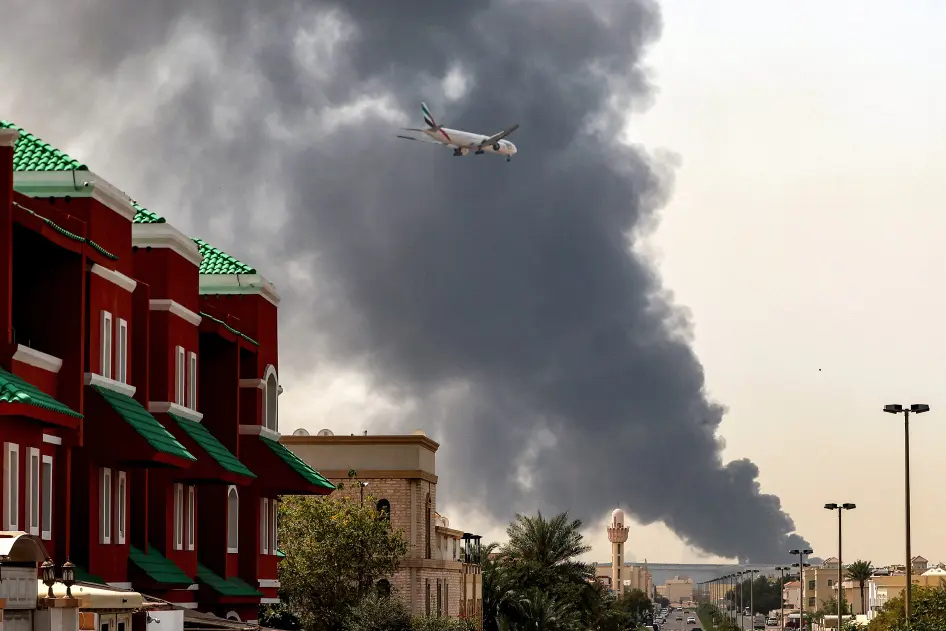
The practical guidance here is straightforward, even if the situation it describes is anything but.
Do not film explosions, interceptions, smoke, damage or anything related to an attack even if what you are seeing is dramatic, unprecedented and happening right outside your window. Do not post, share, repost or comment on videos or images of attacks even if they are already widely circulating on international platforms. Do not assume that because something has been published by the BBC or CNN or any other major outlet it is therefore safe for you to repost it in the UAE.
If you have already posted something and you are concerned, seek legal advice. Several UAE-based legal organisations including Detained in Dubai are actively working with people caught up in these cases.
If you are a tourist or short-term visitor, the British Embassy warning should be taken seriously regardless of your nationality. Multiple governments have now issued similar guidance.
The Bigger Tension This Exposes
None of this sits comfortably. The UAE is home to millions of expats from countries where filming a news event and sharing it online is not just legal but considered a basic civic right. The idea that a 60-year-old tourist on holiday could face criminal charges for pointing a phone at the sky is genuinely difficult to reconcile with the cosmopolitan, open-for-business identity that Dubai has spent two decades building.
And yet here we are. The UAE is under sustained military attack. The government is making decisions under conditions of genuine wartime pressure. Some of those decisions are going to create friction with the expectations of the international community that calls this place home.
The least that can be done — and the reason this article exists — is to make sure nobody reading it gets caught out because they simply did not know. Now you know.
For the full picture of what UAE air defences have intercepted over the past three weeks, read our UAE air defence: 2,000 Iranian missiles and drones in 21 days report. And for the latest on how this is affecting travel, see our Dubai Airport flights update for March 21. If you want to understand the broader security picture, our coverage of the UAE arrests of the Iran-Hezbollah terror network is essential reading.
Sources: TIME, UPI, CNBC, Detained in Dubai, UAE Attorney General’s Office