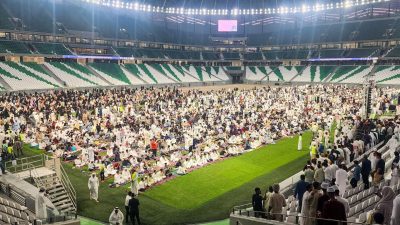






Twenty one days ago life in the UAE looked very different. Ramadan was well underway, the malls were busy and the skies above Dubai and Abu Dhabi were filled with nothing more concerning than the usual parade of commercial aircraft heading to and from one of the world’s busiest airports. Then on February 28, everything changed.
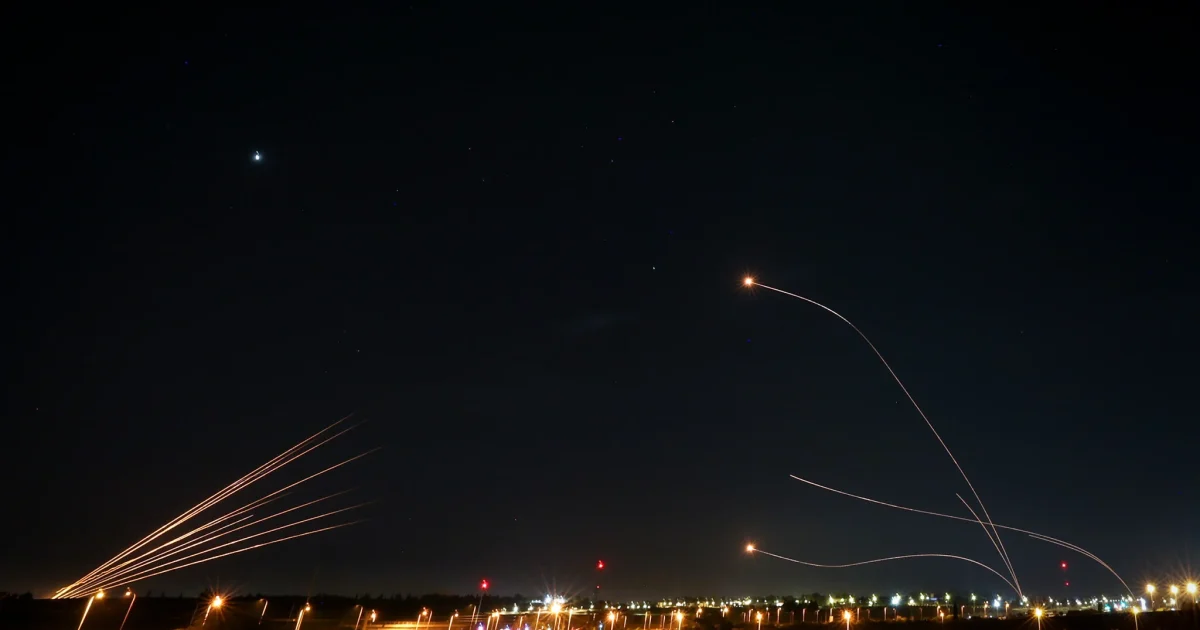
Since the United States and Israel launched coordinated strikes on Iran that night, the UAE has found itself on the front line of a conflict nobody here asked for. Iranian missiles and drones have been heading toward the Emirates almost every day since and the country’s air defence systems have been working around the clock to stop them. This is the full picture of what has happened and what every resident needs to understand right now.
The Numbers That Tell the Story
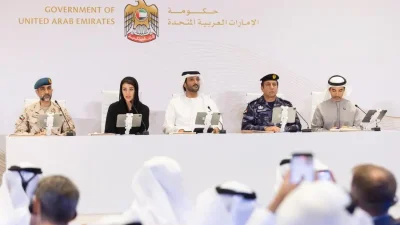
The UAE Ministry of Defence has been publishing regular updates on the scale of what the country is facing and the figures are staggering. Since February 28, Iran has launched 314 ballistic missiles, 15 cruise missiles and 1,699 drones at targets in the UAE. That works out to roughly 100 projectiles every single day for three weeks.
The vast majority have been intercepted. As of March 18, the UAE’s air defence forces had dealt with 327 ballistic missiles, destroyed all 15 cruise missiles and shot down the overwhelming majority of the nearly 1,700 drones. The UAE has been targeted with more than 48 percent of all projectiles Iran has fired at Gulf states during this conflict. No other country in the region has absorbed anything close to this level of sustained attack.
The toll on people and infrastructure has been kept remarkably low given the scale of what the country has faced. Eight people have been killed since the attacks began, including two military personnel. A further 157 have been injured. The deaths, while tragic, represent a tiny fraction of what could have happened without the country’s air defence network operating at full capacity.
What UAE Residents Have Been Hearing
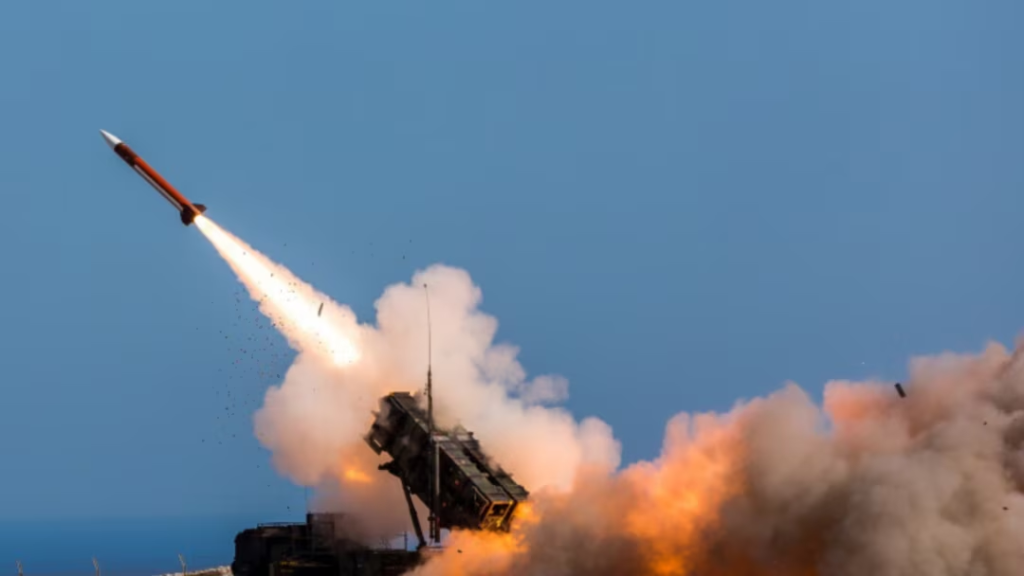
If you have been living in Dubai or Abu Dhabi over the past three weeks you will have heard the loud booms that punctuate the night and sometimes the day. Those sounds are not the attacks themselves. They are the sound of the UAE’s air defence systems doing their job.
When a ballistic missile or drone is intercepted at altitude the detonation creates a shockwave that travels for miles. That is what residents are hearing. The Government of Dubai Media Office has repeatedly clarified that the sounds heard across the emirate are caused by successful interception operations and not by missiles or drones reaching their targets.
The UAE Ministry of Defence said the sounds heard in different parts of the country were the result of interceptions carried out by air defence systems against ballistic missiles as well as by fighter aircraft targeting drones and cruise missiles. Gulf News
Where Have the Attacks Hit
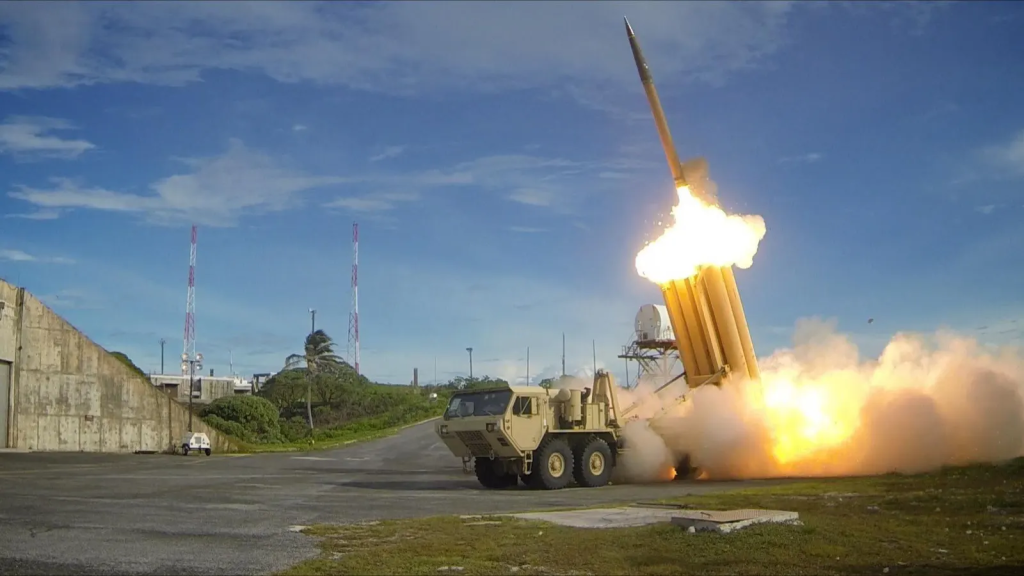
While the vast majority of projectiles have been stopped, some debris and a small number of drones have reached the ground. A fire broke out at the Ruwais Industrial Complex in Abu Dhabi after a drone strike. Dubai International Airport was struck in its early weeks, resulting in four staff injuries and a brief evacuation. A drone came down near the Fairmont The Palm hotel on Palm Jumeirah, causing a fire and injuring four people. Debris from interceptions fell on civilian buildings in both Abu Dhabi and Dubai.
Analysts say the UAE has been targeted more than any other Gulf state because Iran views it as the country most strategically aligned with Israel and because its proximity to Iran’s coast makes it an easy target for short-range missiles that cannot reach Israel. Breaking Defense
Why the UAE Is Being Hit So Hard
The answer comes down to geography and politics. The UAE sits just 60 miles across the Arabian Gulf from Iran’s southern coast. That means even Iran’s oldest and shortest range missiles can reach it with ease. At the same time Iran views the UAE as having allowed US forces to operate from its territory and as being too closely aligned with the interests of Washington and Tel Aviv.
Mohammed Soliman, senior fellow at the Middle East Institute, said Dubai represents something Iran finds threatening: an open, globally connected economy thriving just across the Arabian Gulf. Breaking Defense Striking at Dubai sends a message far beyond the military. It is an attempt to damage the UAE’s reputation as a safe global hub for business, tourism and finance.
What the Government Is Doing
The UAE has not stood alone in this. The United Kingdom confirmed it began defensive air sorties over the UAE in the early days of the conflict. Australia announced it would send specialist aircraft to support air defence operations. Ukraine, whose forces have extensive experience dealing with the same Iranian-made Shahed drones that Iran is now using against the Gulf, sent more than 200 experts to help.
At home the government has taken a series of precautionary measures. Schools were shifted to distance learning during the most intense periods of attacks. The Ministry of Human Resources urged private sector companies to implement remote working where possible. The Dubai International Financial Centre moved to remote operations for several days.
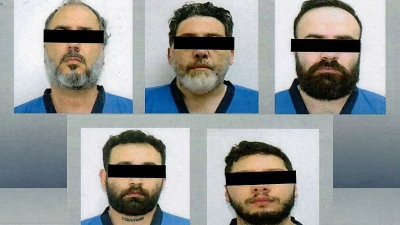
Throughout all of this the UAE government’s message to residents has remained consistent. Follow official channels only. Do not film or share content related to the attacks. Stay indoors during active defence operations. The attorney general has already ordered the arrest of 25 individuals for posting misleading content online related to the conflict.
What Residents Should Do Right Now
The practical advice for UAE residents has not changed much since the conflict began but it bears repeating clearly.
Download the UAE Pass app and the UAE Alert system if you have not already done so. These are the official channels through which emergency notifications are issued. When you hear loud sounds do not go outside to look. Move away from windows and wait for official confirmation of what has happened before sharing anything on social media.
Keep your documents accessible and your phone charged. Know where your nearest building shelter is. If you are in an area where your employer has given remote work guidance follow it even if the situation seems calm. Conditions can change quickly and without warning as the past three weeks have demonstrated.
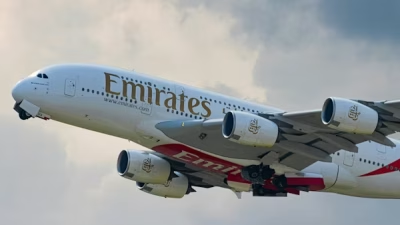
For more on how the broader conflict is affecting daily life in the UAE, including flights and travel, read our update on Dubai airport flights and the latest Emirates and Etihad status.
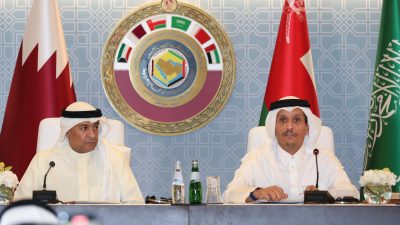
The UAE has also been firm in its diplomatic response. Its foreign ministry condemned the attacks as a flagrant violation of national sovereignty and reserved the full right to take all necessary measures to protect its territory. For the full background on the diplomatic dimension of the conflict read our earlier coverage of how the UAE rejected Iranian claims over Gulf attacks.
The Bottom Line
The UAE’s air defence network has performed extraordinarily well under conditions nobody expected it to face. The country has absorbed more than 2,000 projectiles in 21 days and kept its population largely safe. But the conflict is not over and the situation remains fluid.
Stay informed through official channels, follow government guidance and do not let misinformation — which has been a significant problem throughout this conflict — shape your understanding of what is happening. InsideDubaiNow will continue to provide live updates as the situation develops.
Follow us on Instagram, X, TikTok and our WhatsApp Channel for the latest.
Source: UAE Ministry of Defence, WAM News Agency, Gulf News, Al Jazeera, Breaking Defense