




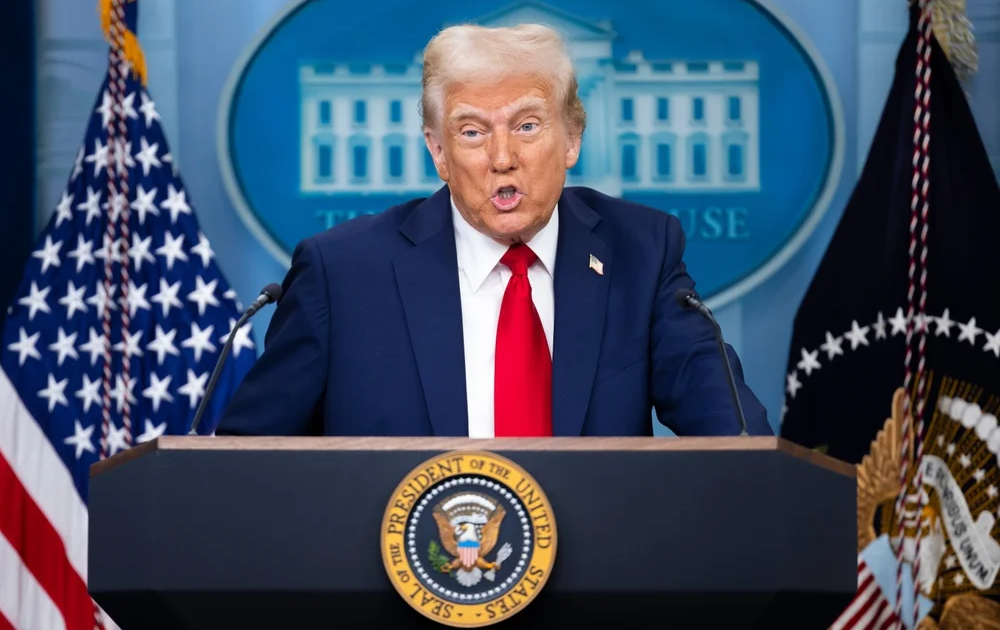
The most consequential 48 hours in the Gulf crisis so far have just begun. United States President Donald Trump issued a stark ultimatum to Iran late on Saturday night, threatening to strike and destroy the country’s power plants if it does not fully reopen the Strait of Hormuz to commercial shipping within two days. The warning, posted on his Truth Social platform at 23:44 GMT, marks the most dramatic escalation in the US president’s rhetoric since the war began on February 28 and has sent shockwaves through governments, markets and living rooms across the region.
For the millions of residents living in the UAE, where Iranian missiles and drones have been landing for three weeks, the stakes of this new development could not be higher.
What Trump Actually Said
The message was characteristically blunt. Writing in capitals, Trump said that if Iran does not fully open the Strait of Hormuz without threat within 48 hours, the United States will hit and obliterate its various power plants, starting with the biggest one first. He added a sign-off that read “Thank you for your attention to this matter. President Donald J. Trump.”
Trump posted the warning while spending the weekend at his Florida home. The 48-hour clock started ticking from 23:44 GMT on Saturday, which means the deadline expires at approximately 23:44 GMT on Monday — or 3:44 in the early hours of Tuesday morning in Tehran.
Why the Strait of Hormuz Matters So Much
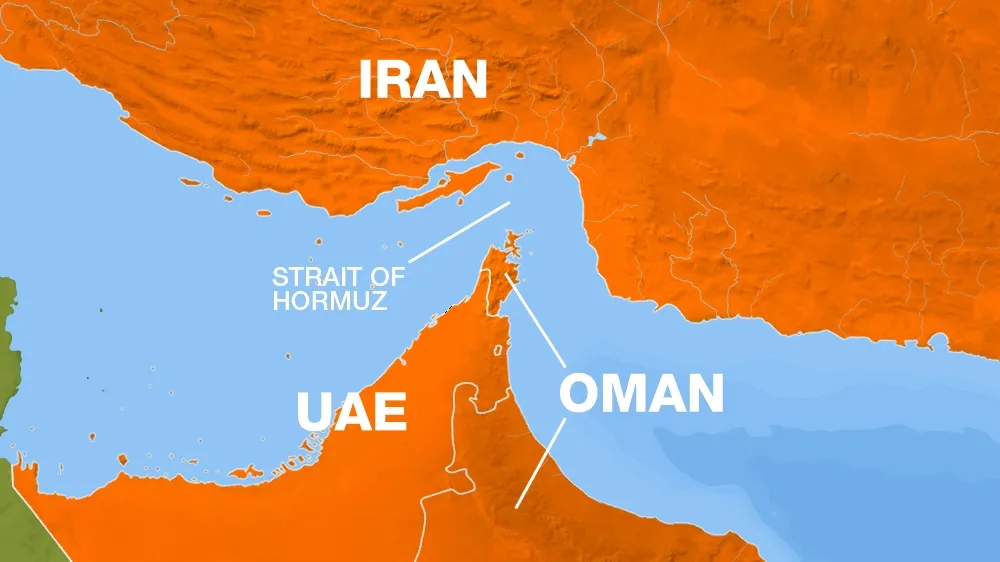
The Strait of Hormuz is one of the most strategically important waterways on the planet. During peacetime roughly 20 percent of all the world’s oil and gas passes through this narrow channel connecting the Persian Gulf to the wider ocean. Since the war began, Iran has used threats and actual attacks on commercial shipping to bring traffic through the strait to a near-total standstill. The consequences have been felt everywhere from the petrol stations of Europe to the factories of East Asia.
International benchmark oil prices closed at $112.19 per barrel on Friday, a level that reflects the acute anxiety in global markets about what a prolonged closure of the strait could mean for energy supplies. Countries including Japan, South Korea and China that depend on Middle East oil for the majority of their energy needs are watching this ultimatum with particular intensity. Japan has already begun tapping its strategic reserves to manage the impact on domestic fuel prices.
For the UAE the closure of the strait has created significant economic pressure on top of the direct physical threat from Iranian missiles. The country’s position as a major trading and logistics hub depends on the free movement of goods through Gulf waters and that free movement has been severely disrupted for weeks.
Iran’s Response
Tehran did not take long to respond. Iranian military officials issued a statement in the early hours of Sunday warning that any US strike on Iran’s energy facilities would trigger retaliatory attacks on American and Israeli energy and infrastructure assets across the region. The statement specifically mentioned information technology infrastructure and desalination facilities as potential targets — a warning aimed directly at Gulf states that depend on desalination plants for their water supply.
Iran’s foreign minister had previously indicated that while the strait was effectively closed to ships from the US and its allies, vessels from other countries could potentially negotiate passage. That position appears to have hardened significantly in the wake of Trump’s threat.
What Happened the Night Before the Ultimatum
Trump’s warning came against the backdrop of a significant new escalation on Saturday night. Iranian missiles struck two communities near Israel’s main nuclear research centre, leaving buildings destroyed and more than 64 people hospitalised. Rescue workers found that the strikes had caused severe damage across at least ten apartment buildings in the city of Arad, with three of them in danger of collapsing. Dimona, home to the Israeli nuclear research facility, sits about 20 kilometres from where the missiles fell.
Israel’s military acknowledged it had been unable to intercept the missiles that hit those areas, a significant admission that analysts say signals the conflict may be entering a new and more dangerous phase. Iran also launched two long-range missiles at the joint US-British military base on Diego Garcia in the Indian Ocean — nearly 4,000 kilometres from Iran — demonstrating a reach that went well beyond what had previously been known.
What This Means for the UAE
For UAE residents the next 48 hours require close attention to official channels. The UAE has been the country most heavily targeted by Iran in this conflict, absorbing more than half of all projectiles fired at Gulf states since February 28. Any further escalation following Trump’s deadline expiring could bring a new and intensified wave of Iranian retaliation directed at the region.
The UAE and Australia have both expressed willingness to contribute to international efforts to secure navigation of the Strait of Hormuz, joining a coalition of 22 nations committed to ensuring freedom of passage. What that commitment looks like in practice remains to be seen.
For the latest updates on how the conflict is directly affecting life in the UAE, including the ongoing air defence situation, read our coverage of UAE air defences intercepting over 2,000 Iranian missiles and drones and our update on Dubai airport flight status.
The Bigger Picture
What makes this moment particularly difficult to read is the mixed signals that have been coming from Washington. Just 24 hours before issuing the 48-hour ultimatum, Trump had posted publicly that he was thinking about winding down the military campaign, saying the US and Israel had accomplished most of their war objectives. That message was followed within hours by an Israeli defence minister saying the joint campaign would intensify significantly.
Markets, governments and ordinary people across the region are now watching the clock and hoping that something changes in Tehran before the deadline expires on Monday night. What happens next will define not just the course of this war but the stability of the entire region for years to come.
Follow InsideDubaiNow on Instagram, X, TikTok and our WhatsApp Channel for live updates as this story develops.
Source: Al Jazeera, Bloomberg, AP, CNN, Fortune, The Washington Post