





diplomatic breakthroughs or celebrations of resilience, but with grim statistics from international health and aid organizations that have spent three years documenting a crisis they describe without exaggeration as the worst humanitarian emergency in the world.
An estimated 33.7 million people, roughly two-thirds of Sudan’s population, are expected to require humanitarian assistance in 2026. More than 21 million are facing acute food insecurity. The country’s healthcare system has nearly collapsed, with 37 percent of health facilities no longer functioning due to fighting, looting, or the breakdown of supply chains.
How the War Began

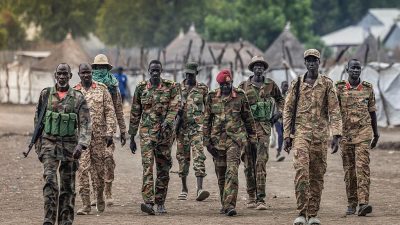
The war erupted in April 2023 as a power struggle between General Abdel Fattah al-Burhan, head of the Sudanese Armed Forces, and General Mohamed Hamdan Dagalo, widely known as Hemeti, leader of the paramilitary Rapid Support Forces.
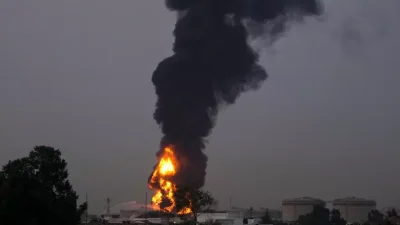
What began as a battle for control over Sudan’s political transition quickly escalated into a nationwide conflict. Fighting spread from the capital Khartoum to the regions of Darfur and Kordofan, turning into one of the most brutal and complex wars in the world today. Tens of thousands have been killed, and millions have been forced to flee their homes.
The Scale of Displacement

Sudan is now the largest displacement crisis globally. Around 13.6 million people have been uprooted by the war. Of these, approximately 9.3 million remain displaced داخل Sudan, while another 4.3 million have fled to neighbouring countries including Chad, Egypt, Ethiopia, South Sudan, and Uganda.
As of March 17, 2026, the International Federation of the Red Cross warned that the crisis is rapidly spilling across borders, with nearly 4.5 million refugees and critically low funding to support them.
Behind these figures are devastating personal stories. In North Darfur, families have spent months in overcrowded camps without proper shelter, food, or medical care. Disease outbreaks are spreading rapidly. Cholera has been reported across all 18 states in Sudan, dengue fever in 14 states, and malaria in 16. In these conditions, even treatable illnesses are becoming deadly.
Famine: A Growing Catastrophe

The food crisis in Sudan has reached catastrophic levels. In February 2026, the Integrated Food Security Phase Classification confirmed famine conditions in parts of North Darfur, describing the situation as “catastrophic, life-threatening and man-made starvation.”
More than 635,000 people are already experiencing famine, facing the daily risk of starvation. Across the country, over 21 million people are struggling with severe food insecurity.
Several factors are driving this crisis. Active fighting has destroyed farmland and halted agricultural production. Markets have collapsed, making food unaffordable even where it is available. At the same time, humanitarian aid access has been repeatedly blocked by both sides of the conflict.
The UN World Food Programme has warned that large areas of Sudan remain inaccessible to aid workers, meaning the real scale of hunger is likely far worse than current estimates suggest.
Attacks on Healthcare: A War Crime Pattern

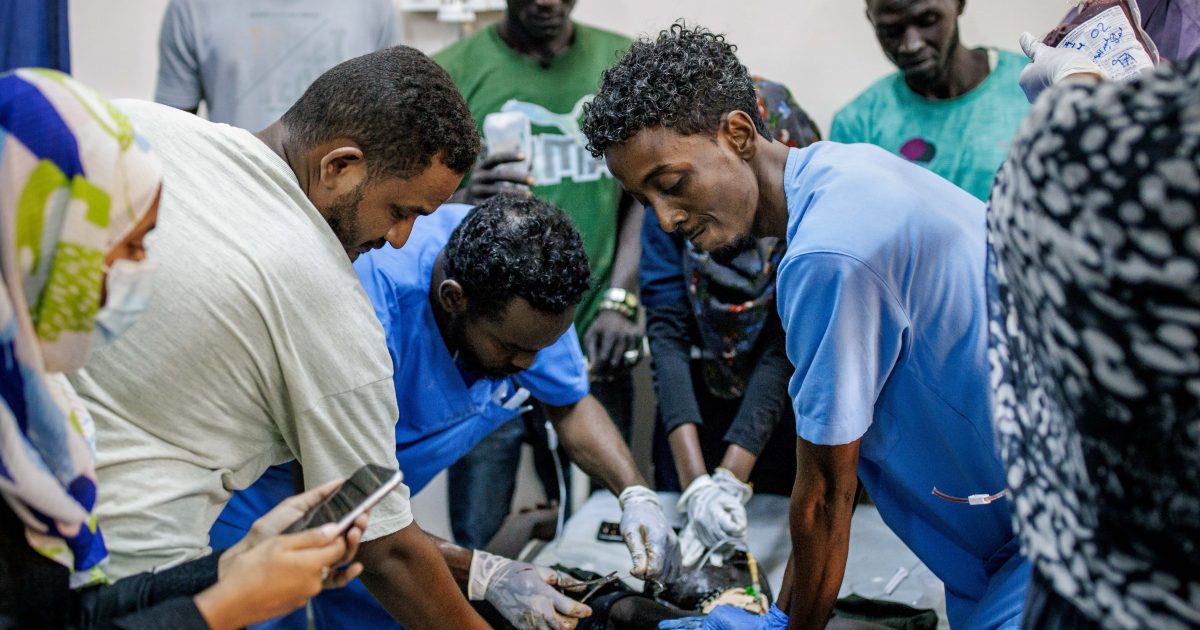
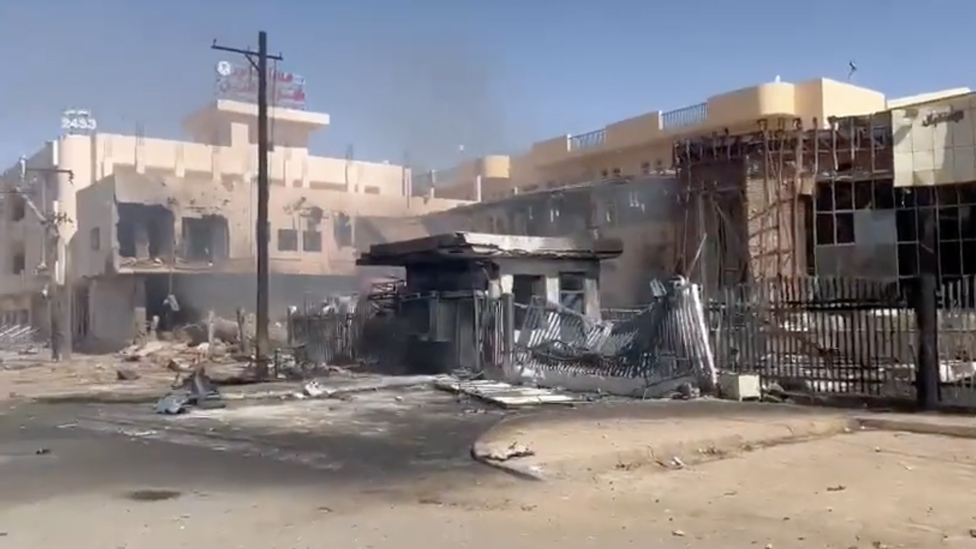
One of the most alarming aspects of the conflict is the systematic targeting of healthcare facilities. The World Health Organisation has verified more than 200 attacks on medical infrastructure since the war began. These attacks have resulted in over 1,800 deaths and hundreds of injuries among both patients and healthcare workers.
At least 173 health workers have been killed, and dozens more detained. Hospitals have been bombed, looted, or forced to shut down. These actions represent serious violations of international humanitarian law.
The International Criminal Court has already warned that war crimes and crimes against humanity are being committed, particularly in Darfur.
In one of the most shocking incidents, an attack on a girls’ school killed more than 170 people, most of them children — highlighting the indiscriminate nature of violence in this war.
A Political Deadlock
Efforts to end the conflict have so far failed to produce a lasting ceasefire. A diplomatic initiative led by the Quad — the United States, Egypt, Saudi Arabia, and the UAE — proposed a roadmap beginning with a humanitarian truce followed by a political transition.
However, progress has been limited. The Sudanese Armed Forces have shown reluctance to engage fully, while the Rapid Support Forces’ acceptance of the plan has been viewed by analysts as largely strategic rather than genuine.
In January 2026, Sudan’s military-backed government returned to Khartoum after operating from Port Sudan. Prime Minister Kamil Idris pledged to restore basic services, but the capital remains heavily damaged after years of war.
Meanwhile, fighting continues to intensify in regions like Kordofan, where drone strikes are reportedly hitting civilian areas, markets, and healthcare facilities on a near-daily basis.
Global Response: Not Enough
The international community has responded with humanitarian funding appeals, but the support has fallen far short of what is needed. The United Nations has requested billions of dollars in aid, yet only a fraction has been secured.
In February 2026, the United States hosted a meeting aimed at raising $1.5 billion for Sudan, while a planned conference in Berlin — co-organised by Germany and the United Kingdom — is expected to generate additional pledges.
However, funding alone will not end the crisis. What Sudan urgently needs is unrestricted humanitarian access, stronger international pressure on both sides to agree to a real ceasefire, and sustained diplomatic engagement from regional powers that hold influence over the warring parties.
What It Means for the World
Sudan’s war is no longer just a national crisis — it is a regional and global emergency. The scale of displacement is destabilising neighbouring countries. The risk of famine threatens millions of lives. And the continued breakdown of healthcare and infrastructure could have long-term consequences for an entire generation.
For residents across the UAE and the wider region, Sudan’s crisis highlights the importance of regional diplomacy and humanitarian leadership. Countries with influence in the region now play a critical role in shaping whether this conflict continues — or moves toward resolution.
One thousand days have passed. The suffering continues. And without urgent action, the numbers — and the human cost behind them — will only keep rising.