



The world’s youngest nation is once again facing a dangerous turning point — and this time, global attention is limited. South Sudan, which gained independence in 2011 amid international optimism, is now confronting renewed violence that risks dragging the country back into full-scale war.
After a devastating civil war between 2013 and 2018 that killed an estimated 400,000 people, a peace deal promised stability. But in early 2026, that fragile progress is unraveling. The United Nations has issued stark warnings of “escalating atrocity risks” and a serious danger of a return to widespread conflict.
Violence Escalates Across Jonglei

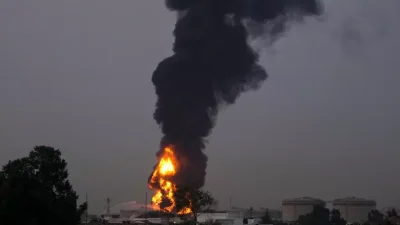
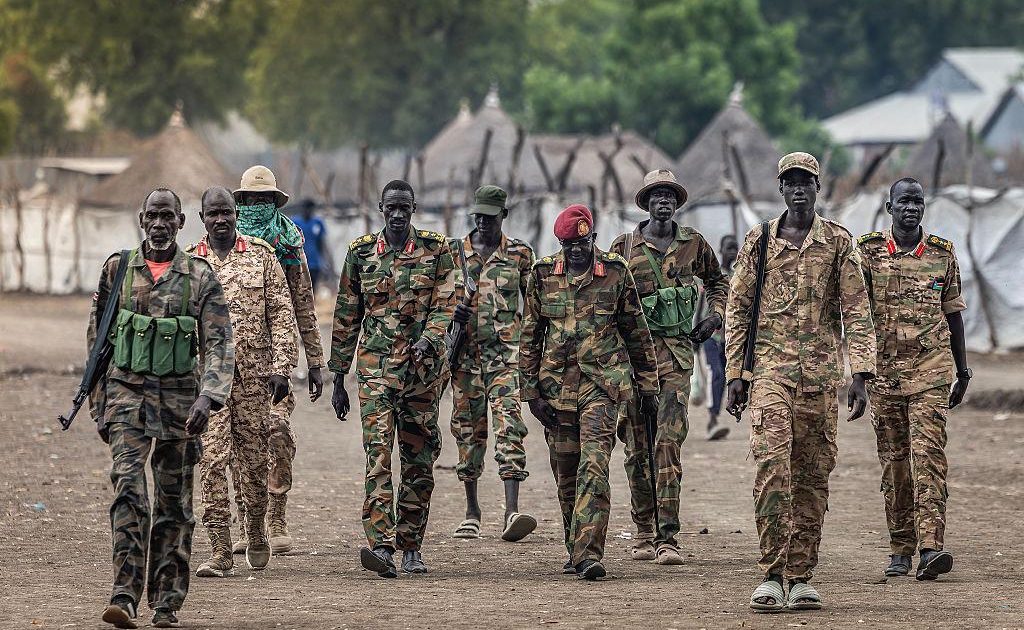
Fighting that began intensifying in late 2024 has now spread deeper into 2026. The worst-hit area is Jonglei state, particularly around the town of Akobo, where government forces are clashing with opposition fighters loyal to First Vice-President Riek Machar.
Machar has been under house arrest in the capital Juba since 2025, facing serious charges including treason and crimes against humanity. However, many international observers believe these accusations are politically driven rather than legal.
A February 2026 report by the UN Human Rights Council paints a disturbing picture. It documents widespread abuses including sexual violence, arbitrary detentions, and direct attacks on civilians. There are also reports of aerial bombardments targeting ethnic Nuer communities in opposition-held areas — a pattern that raises fears of further ethnic violence.
The Roots of a Fragile Peace
To understand why South Sudan is slipping back into crisis, it is important to look at the limitations of the 2018 peace agreement.
The deal created a power-sharing government between President Salva Kiir and Riek Machar, but it failed to address the most critical issue: unifying the country’s armed forces. Instead, rival militias remained loyal to individual leaders, not the state.
This left South Sudan with a fragile political structure built on competing armed groups that were never fully disarmed or integrated. Many analysts warned at the time that this arrangement was unsustainable.
At the same time, planned elections — meant to stabilise the country politically — have been repeatedly delayed. As of March 2026, only 4 percent of the required election funding has been secured. There is still no permanent constitution, voter registration remains incomplete, and the upcoming rainy season will make large parts of the country inaccessible.
A Growing Humanitarian Crisis

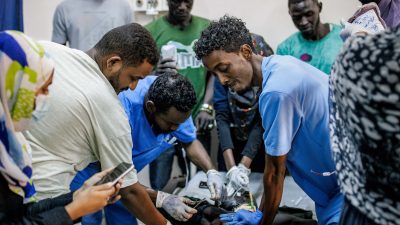
The human impact of the crisis is rapidly worsening. Since late December 2025, around 280,000 people have been displaced, with more than 235,000 coming from Jonglei state alone.
Hunger is widespread. The World Food Programme estimates that 60 percent of Jonglei’s population faces severe food shortages. Across the country, 10 million people — out of a population of 14 million — now require food assistance.
South Sudan’s already fragile healthcare system is under increasing pressure. A worsening cholera outbreak has pushed fatality rates to nearly 6 percent in early March 2026 — far above emergency thresholds.
Delivering aid remains extremely difficult. Only about 400 kilometres of the country’s 20,000-kilometre road network is paved, and during the rainy season, up to 80 percent of roads become impassable.
Sexual Violence as a Weapon of War

One of the most disturbing aspects of the conflict is the continued use of sexual violence as a weapon of war.
A February 2026 report by the UN Commission on Human Rights in South Sudan describes sexual violence as a “defining and persistent feature” of the crisis. Testimonies collected over the years reveal widespread and systematic patterns of abuse carried out by multiple armed groups.
Women and girls in conflict areas are living under constant threat. The violence is not random — it is used deliberately to terrorise communities, force displacement, and break social structures.
Accountability remains almost non-existent. Senior military and political leaders are rarely prosecuted, reinforcing a cycle where abuse continues without consequence.
Economic Pressures Fuel Instability
South Sudan’s economic situation is worsening the crisis. Around 90 percent of government revenue depends on oil exports, most of which pass through pipelines in neighbouring Sudan.
Sudan’s own ongoing conflict has disrupted these routes, cutting South Sudan’s oil exports by roughly two-thirds. As a result, many soldiers and government workers are going unpaid — a dangerous situation that increases the risk of further instability.
The country is also struggling to cope with more than one million refugees fleeing Sudan’s war. At the same time, international aid is declining as donor countries shift focus to other global crises. Cuts in US funding in 2026 have already forced humanitarian organisations to reduce services.
What Needs to Happen Next
Efforts to mediate the conflict, led by the regional body IGAD, have made little progress. The United Nations has called for urgent action, focusing on three priorities: protecting civilians, stopping aerial attacks, and ensuring full humanitarian access.
However, these calls have been repeated before with limited results.
What South Sudan needs now is stronger, coordinated international pressure — including from African regional powers and neighbouring states with real influence. Measures such as targeted sanctions against those responsible for atrocities may be necessary to push leaders toward meaningful negotiations.
What It Means for the Region
South Sudan’s crisis is not isolated. It is closely linked to instability in neighbouring Sudan and has wider implications for East Africa and beyond.
For countries in the region, including the UAE, the situation highlights the importance of sustained diplomatic engagement and humanitarian support. Without stronger international action, South Sudan risks repeating one of the deadliest conflicts of the 21st century.
The warning signs are already clear. The question now is whether the world will act before it is too late.