






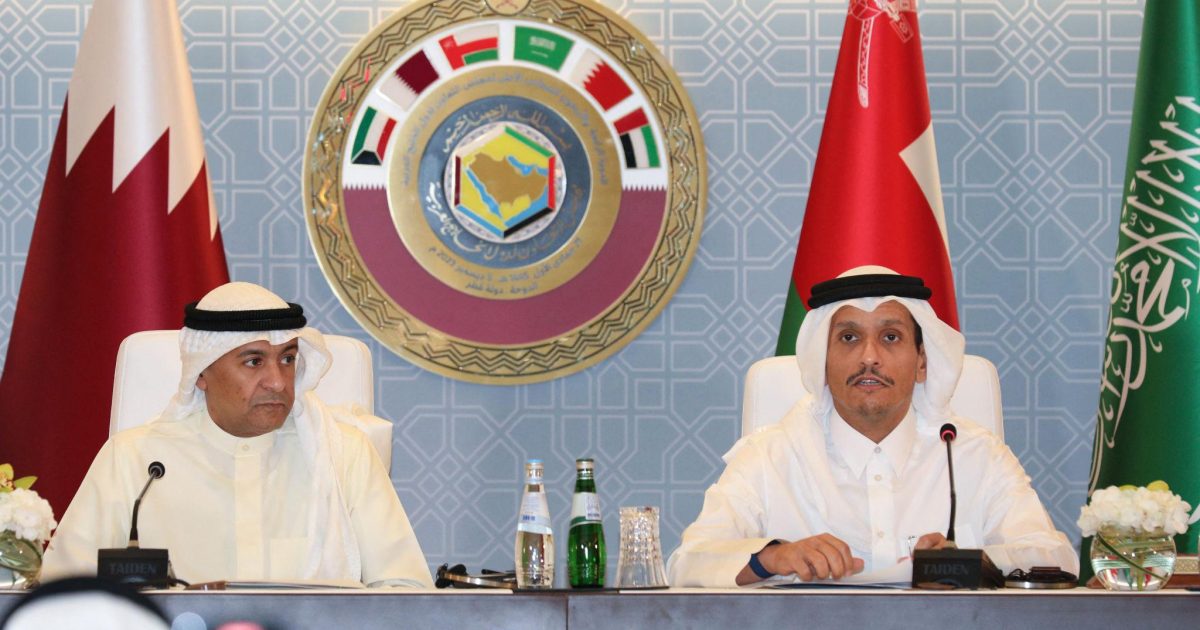
Qatar has firmly rejected Iran’s claim that recent missile strikes on its gas facilities were aimed at US-linked sites, as tensions continue to escalate across the region. The statement was made by Qatar’s Prime Minister, who clarified that the attacks directly targeted Qatari infrastructure, not foreign military assets.
The development comes after Iranian missile strikes hit key energy infrastructure in Qatar, including the Ras Laffan Industrial City, one of the world’s most critical liquefied natural gas (LNG) hubs. Authorities confirmed the attacks caused significant damage, raising concerns about regional stability and global energy supply.
This incident marks a major escalation in the ongoing regional conflict, with Gulf nations increasingly drawn into a broader geopolitical confrontation affecting energy markets worldwide.
Qatar Dismisses Iran’s Justification for Strikes
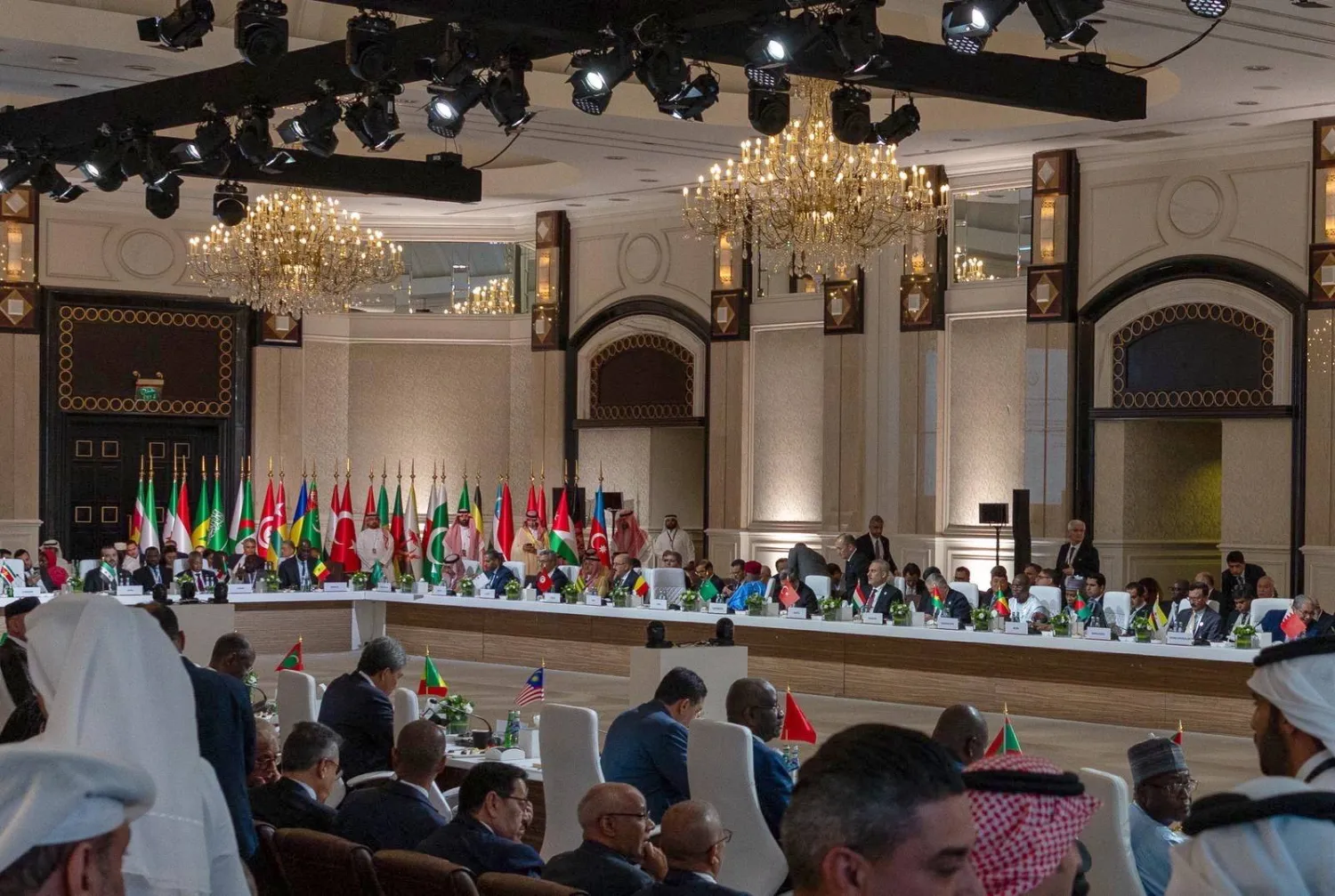
Qatar’s leadership strongly rejected Iran’s assertion that the strikes were targeting US-linked facilities. Officials emphasized that the attacks were carried out on purely Qatari economic infrastructure, calling the claim inaccurate and misleading.
The Prime Minister reiterated that Qatar is not a party to the conflict and warned against attempts to justify attacks under false narratives. The statement highlights Doha’s position as it seeks to avoid being drawn further into regional hostilities.
Qatar has also condemned the strikes as a violation of its sovereignty and a direct threat to national security, reinforcing its stance against the targeting of civilian and economic infrastructure.
Ras Laffan Attack Raises Global Energy Concerns
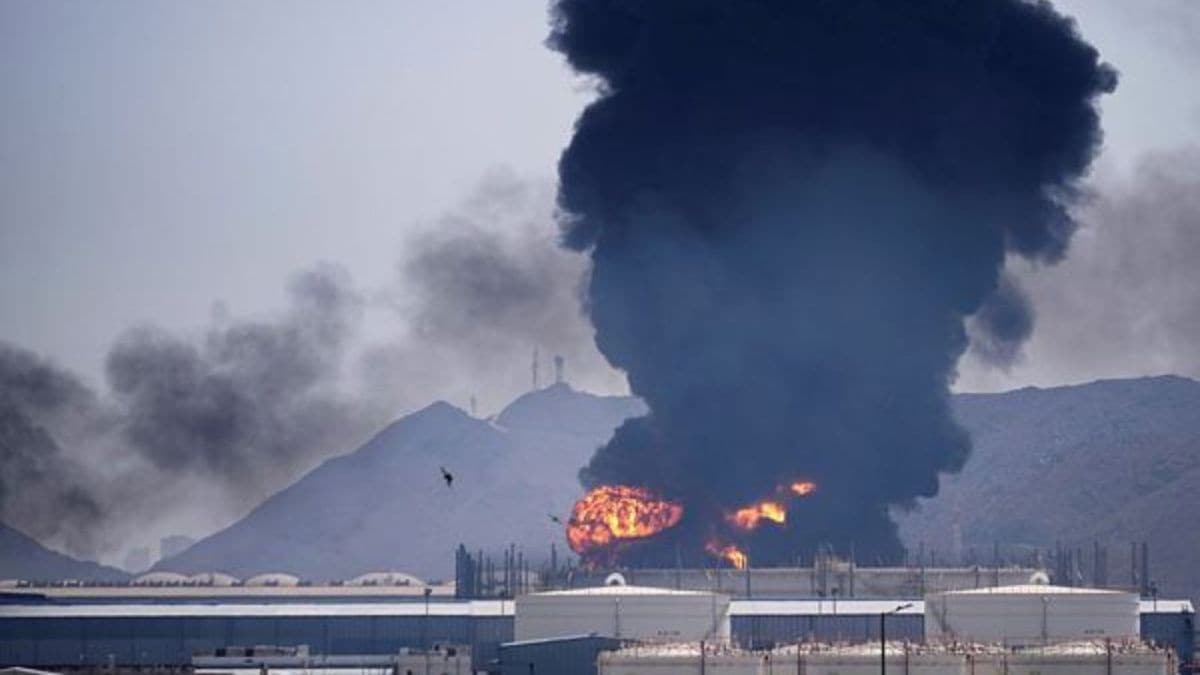
The missile strike on Ras Laffan Industrial City has triggered serious concerns across global energy markets. The site is a key hub for LNG production and exports, supplying energy to major economies in Europe and Asia.
Initial reports indicate that the damage could impact a significant portion of Qatar’s LNG output, with estimates suggesting around 17 percent of production capacity may be affected.
The disruption has already led to rising oil and gas prices, as markets react to potential supply shortages. Analysts warn that continued attacks on energy infrastructure could have long-term consequences for global energy stability.
Regional Conflict Expands Beyond Military Targets
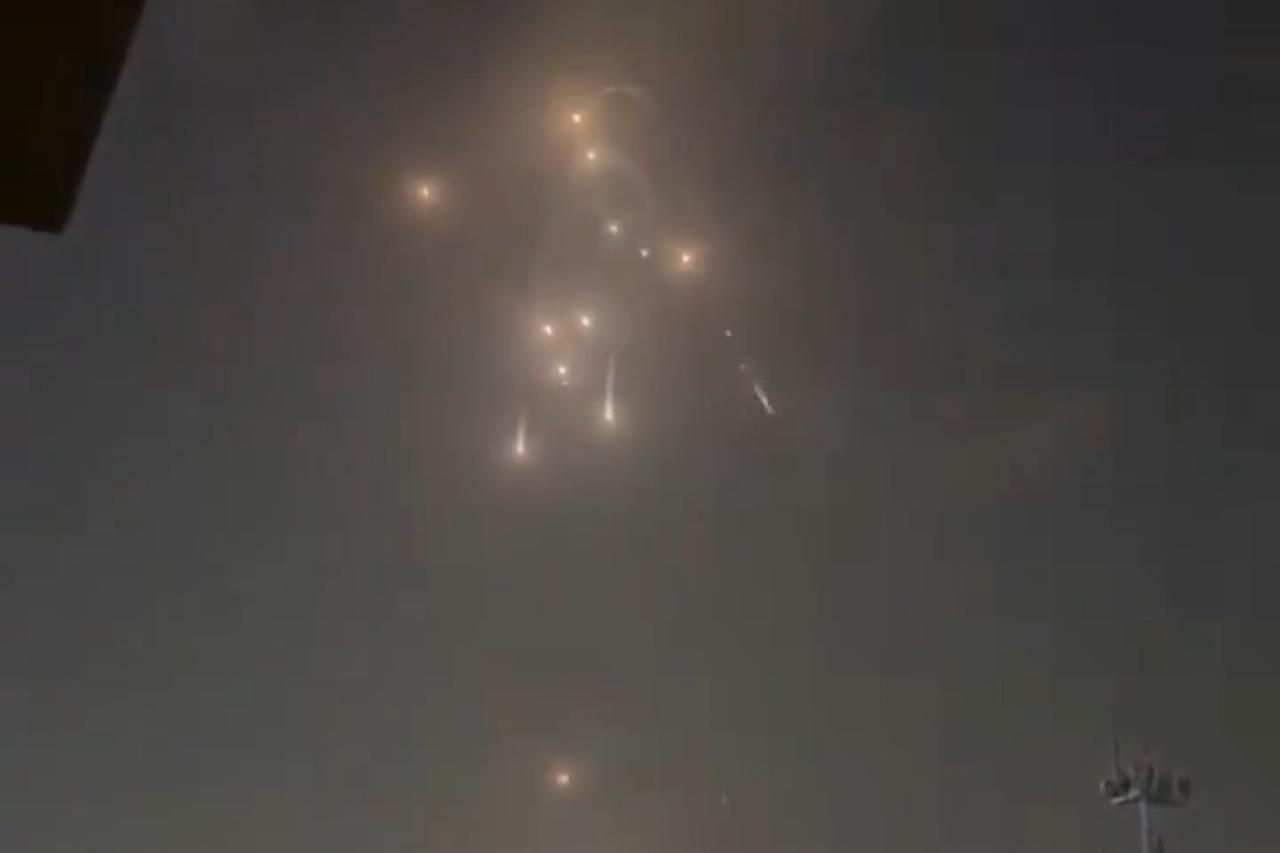
The strikes on Qatar are part of a broader escalation involving multiple countries in the Gulf. Iranian retaliatory actions have also targeted energy infrastructure in the UAE and Saudi Arabia, indicating a shift toward economic and strategic assets rather than purely military targets.
This escalation follows earlier attacks on Iran’s own gas facilities, including the South Pars field, which triggered a cycle of retaliation across the region.
Experts warn that targeting energy infrastructure could significantly increase risks for global trade routes, particularly in the Strait of Hormuz, a critical corridor for oil and gas shipments.
Diplomatic Fallout and Next Steps

In response to the attacks, Qatar has taken diplomatic measures, including condemning the strikes and expelling Iranian military representatives.
The country has also called for restraint and urged the international community to prevent further escalation, warning that continued attacks on energy infrastructure could destabilize the global economy.
Air travel disruptions, rising fuel prices, and increased security measures across the Gulf highlight the wider impact of the crisis.
As tensions remain high, the situation continues to evolve, with global markets and governments closely monitoring developments in the region. More analysis can be found in our coverage of Middle East conflict and energy market impacts.