





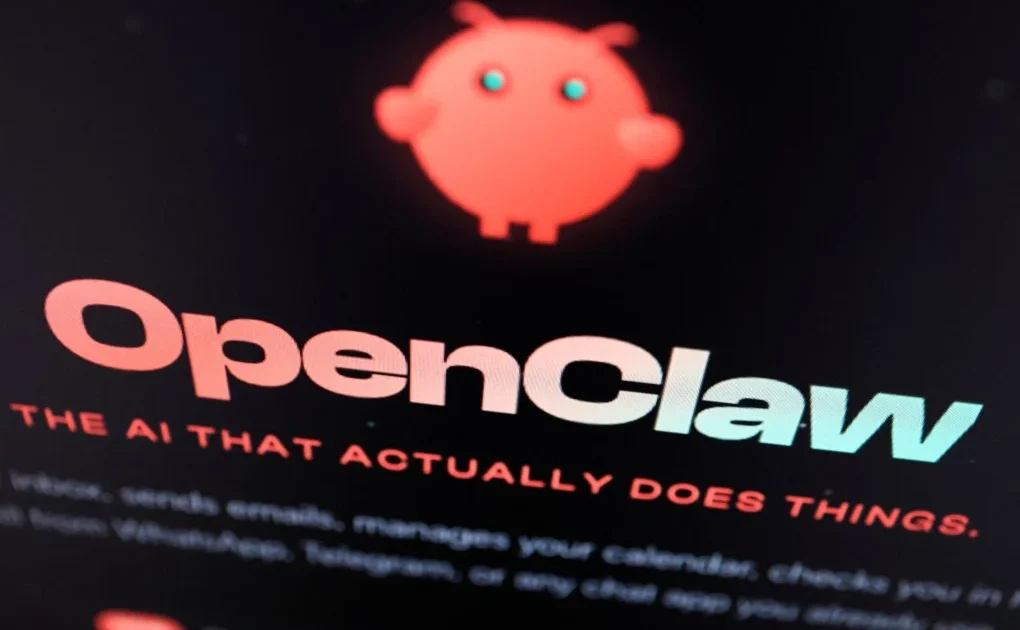
Three months ago almost nobody in the technology industry had heard of OpenClaw. Today Nvidia CEO Jensen Huang is dedicating major portions of his keynote at the company’s flagship GTC conference to it, and serious voices in the AI world are asking whether it proves that the enormously expensive AI models built by OpenAI, Google and Anthropic are about to become commodities. The story of OpenClaw is one of the most remarkable in recent technology history and it matters to anyone who uses AI tools.
What Is OpenClaw
OpenClaw is an open-source agentic AI platform that began as a project by an Austrian software developer who was largely unknown in the wider industry. The platform allows AI agents to be deployed locally, meaning on your own computer or server, without relying on the major US technology companies for compute power or access. It runs on messaging platforms including WhatsApp, Telegram, Slack, Discord and Signal, making it immediately accessible to anyone with a smartphone and a modest technical background.
Why It Matters
The platform’s explosive growth has reignited a debate about whether the foundation models at the heart of the AI industry — GPT-5, Gemini, Claude — are genuinely irreplaceable or whether they are approaching the commodity status that tends to erode the pricing power and margins of technology businesses. David Bader, director of the Institute for Data Science at the New Jersey Institute of Technology, described OpenClaw as evidence of a classic platform shift where foundation models become the engine while the agent framework becomes the car that people actually drive.
Nvidia’s Response
Rather than dismissing OpenClaw, Nvidia has embraced and built on it, launching NemoClaw to provide the enterprise security and compliance layer that large companies need before they can deploy autonomous AI agents across their operations. It is a commercially astute move that positions Nvidia to benefit from the platform’s growth regardless of which underlying AI model users choose to run on it.
Source: CNBC, Nvidia GTC 2026, TechCrunch