




When Nvidia CEO Jensen Huang took the stage at the SAP Center in San Jose on March 16, 2026, his message was anything but cautious. Speaking at the company’s annual GTC conference — widely seen as the most influential event in the technology industry — Huang projected a staggering opportunity: up to $1 trillion in revenue from AI chips by 2027.
Within hours, that figure sent shockwaves across global financial markets, from Wall Street to the Dubai International Financial Centre (DIFC).
For the UAE, this was not just another tech announcement. It was a signal — and a roadmap — for where the global economy is heading next.
The Shift to AI Inference

At the core of Huang’s keynote was a critical shift: the move from AI training to AI inference.
Training refers to building AI models — a process that requires enormous computing power and vast datasets. Inference, by contrast, is what happens when those models are used in real-world applications. Every time someone interacts with an AI assistant, receives a recommendation, or generates content, inference is taking place.
Huang’s argument is clear: while training has driven AI spending so far, inference will dominate the next phase. As businesses integrate AI into everyday services, the demand for chips that support real-time usage is expected to surge.
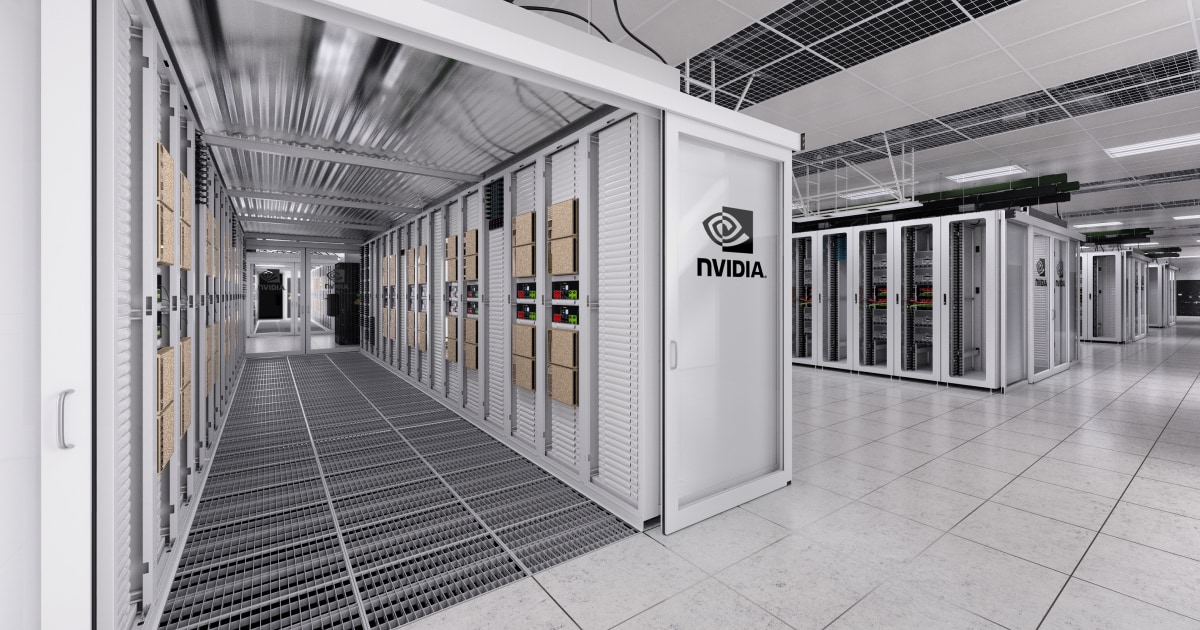
This shift opens up a massive market — not just for chipmakers, but for companies involved in networking, data centres, cooling systems, and AI software platforms.
UAE’s Strategic Position in the Chip Economy
For the UAE, access to advanced AI chips is not just a business issue — it is a national priority.
The country has invested heavily in becoming a global technology hub. Companies like G42 in Abu Dhabi have built strong partnerships with global players such as Microsoft, unlocking access to infrastructure and capital.
However, these partnerships also highlight a key challenge: dependence on external technology ecosystems. The global AI supply chain remains highly concentrated, and access to high-performance chips is tightly controlled.
The UAE’s national AI strategy, which aims to significantly boost economic output by 2031, depends on securing reliable access to this critical infrastructure. Any disruption in chip supply, pricing, or policy could directly impact those ambitions.
The Cooling Challenge in the Gulf

One of the most relevant insights from GTC 2026 came from a parallel development: major investment in advanced cooling technologies for AI systems.
As AI infrastructure becomes more powerful, it also generates more heat — making cooling one of the biggest technical challenges in the industry.
In the UAE, this issue is even more critical. With summer temperatures often exceeding 45°C, maintaining efficient data centre operations requires significantly more energy than in cooler regions.
Companies that can solve this challenge — whether through new cooling technologies, smarter data centre design, or renewable energy integration — will gain a major competitive advantage as regional AI demand grows.
The Rise of Physical AI

Beyond chips, Huang also outlined Nvidia’s vision for “physical AI” — systems that interact with the real world.
This includes robotics, autonomous vehicles, industrial automation, and digital twins that simulate real environments.
For the UAE, this is highly relevant. The country is already investing in smart city infrastructure, autonomous transport systems, and AI-driven urban planning.
From Dubai’s transport networks to Abu Dhabi’s infrastructure projects, the next phase of AI adoption will move beyond screens and into physical environments — reshaping how cities operate.
Opportunities for UAE Startups
The transition from AI training to inference is opening new opportunities for entrepreneurs.
New markets are emerging in areas such as edge computing, AI deployment tools, industry-specific applications, and systems that manage large networks of AI agents.
The UAE’s startup ecosystem — supported by initiatives like Hub71 and innovation programmes in Dubai — is well positioned to capture these opportunities.
However, success will depend on maintaining strong talent pipelines, access to funding, and regulatory environments that can keep pace with rapid technological change.
What Happens Next
Huang’s trillion-dollar projection is ambitious — but not guaranteed. The technology sector is known for cycles, disruptions, and shifting market dynamics.
Still, the broader direction is clear. AI infrastructure is becoming as essential to modern economies as ports, airports, and energy systems once were.
For the UAE, the next 18 to 24 months will be critical. Decisions made now — around investment, partnerships, and infrastructure — will shape the country’s position in the global AI economy for decades to come.
GTC 2026 was more than a conference. It was a preview of the next phase of economic competition — and a reminder that the race to lead in AI is only just beginning.