





The prospect of a negotiated pause in the Middle East’s most dangerous conflict in years took a significant blow on Wednesday when Iran formally dismissed a fifteen-point ceasefire framework put forward by the United States, instead announcing a counter-position that would require Washington to grant Tehran effective authority over the Strait of Hormuz. Within hours of that rejection, Iranian forces launched a new wave of attacks on Israel and Gulf Arab states — including an assault that ignited a major fire at Kuwait International Airport, sending thick columns of black smoke visible across the capital.
The escalation marks one of the most volatile twenty-four-hour periods since the conflict erupted, and it arrives at a moment when the world’s major powers are watching the Middle East with a level of concentrated anxiety not seen in a generation. For residents of the UAE, a country that sits at the geographic and economic heart of the region, the developments are not background noise. They are events with direct consequences.
What the US Proposed — and Why Iran Said No
The American ceasefire framework, a fifteen-point document delivered to Iranian officials through Pakistani intermediaries, called for an initial humanitarian truce to halt active hostilities, followed by structured negotiations toward a permanent ceasefire and a broader political settlement. The plan asked Iran to step back from its active military operations against Israel and to refrain from further interference with commercial shipping through the Strait of Hormuz, the narrow waterway through which roughly a fifth of the world’s oil supply passes daily.
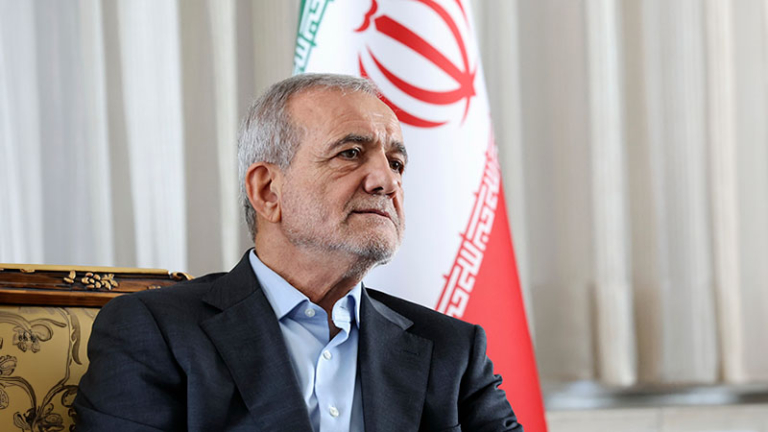
Iranian state media confirmed the rejection on Wednesday, describing the American proposal as an attempt to lock in military gains made by Israel and the United States while leaving Iran in a weakened strategic position. In place of the US framework, Tehran released a five-point counter-proposal. The central demand in that document was unambiguous: Iran wants recognised sovereignty over the Strait of Hormuz, effectively claiming the right to determine which vessels may pass and under what conditions.
That demand is one that Washington, Riyadh, Abu Dhabi and the international shipping community cannot accept. The Strait of Hormuz is governed under international maritime law as a shared transit passage. Granting any single nation the authority to police it would fundamentally alter the global energy trade and establish a precedent with consequences extending far beyond the current conflict. The counter-proposal was characterised by Western diplomats as a negotiating position designed to be rejected, rather than a genuine opening for dialogue.
Strikes on Kuwait and the Gulf
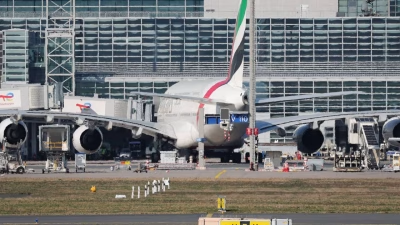
The attack on Kuwait International Airport was the most dramatic of Wednesday’s incidents. Airport operations were suspended for several hours as emergency crews worked to bring the fire under control. Kuwait’s government issued a formal protest and convened an emergency session of its national security council. No group immediately claimed formal responsibility, though American and Kuwaiti officials attributed the strike to Iranian-aligned forces.
The targeting of civilian infrastructure — an international airport serving millions of passengers annually — drew immediate condemnation from the United Nations Secretary-General and from European governments. Gulf Cooperation Council member states issued a joint statement describing the attack as a direct assault on regional stability and calling for urgent international intervention to protect civilian infrastructure from military targeting.
Israel simultaneously reported incoming missile fire at cities in its southern regions, near the country’s primary nuclear research facility at Dimona. The Israeli Defence Forces intercepted the majority of the missiles using its layered air defence systems, but debris from interceptions caused damage across several communities. Israeli officials confirmed they had conducted retaliatory strikes on targets inside Iran overnight.
The Strait of Hormuz and What It Means for the UAE
For the UAE, the Strait of Hormuz is not an abstraction on a map. The country’s entire hydrocarbon export economy depends on the freedom of passage through those thirty-three kilometres of water between the Omani coast and the Iranian shore. Approximately seventeen million barrels of oil pass through the strait every day, along with liquefied natural gas shipments from Qatar that supply energy markets across Asia and Europe.
Iran’s foreign minister stated earlier this week that the strait was not technically closed — only restricted to vessels it deemed hostile. That distinction provides limited practical comfort. Insurance premiums for commercial vessels transiting the strait have surged. Several major shipping companies have announced temporary rerouting of cargoes around the Cape of Good Hope, adding weeks to delivery times and significant costs to global supply chains. Fuel prices in markets dependent on Gulf crude have risen sharply, and the economic pressure is beginning to feed into inflation data in Europe and Asia.
The UAE government has maintained its position that the strait must remain open under international law and has been active within diplomatic channels to press for a negotiated resolution. The country is a member of the Quad grouping — alongside the United States, Egypt and Saudi Arabia — that has been advancing a peace roadmap for the conflict. That process has stalled in the face of Iranian rejection and continued military activity, but diplomatic engagement has not ceased.
Trump’s Position: Winning Without Defining Victory
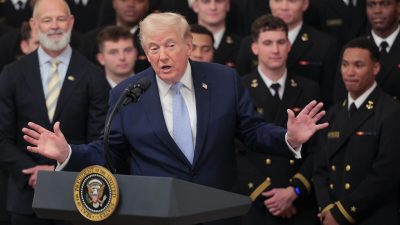
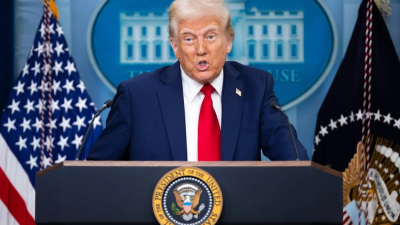
President Donald Trump declared on Tuesday that the United States had effectively won the conflict, stating that American military operations had met their objectives and that Iran had made a valuable offer toward a deal — a characterisation that Iranian officials publicly denied. The contradiction between Trump’s optimistic framing and the reality of fresh missile strikes and a burning airport in Kuwait illustrates the complexity of managing the public narrative of a conflict that shows no clear signs of resolution.
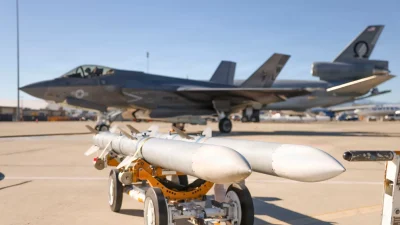
American officials confirmed this week that a second Marine Expeditionary Unit of 2,200 personnel is being deployed to the region, bringing the total US military presence in the Middle East to levels not seen since the early 2000s. Secretary of State Marco Rubio is travelling to France this week to brief Group of Seven allies on Washington’s strategy — a mission that reflects the growing unease among European governments about the direction of the conflict and its effects on energy prices and regional stability.
What Happens Next
The rejection of the US ceasefire framework and the continuation of military strikes across multiple countries leaves the conflict in a genuinely uncertain position. The conditions that would need to be in place for a ceasefire — mutual agreement on terms, credible enforcement mechanisms and a political process that neither side views as a humiliation — are not currently present.
For the UAE and the wider Gulf, the priority is clear: protecting the freedom of navigation, containing the economic damage of prolonged conflict and continuing to press through diplomatic channels for a negotiated end. The alternative — a conflict that continues to escalate without a defined endpoint — carries risks for the entire region that no government in the Gulf is willing to accept as a permanent state of affairs. The next seventy-two hours, as diplomatic responses to Iran’s counter-proposal are formulated, will be critical.