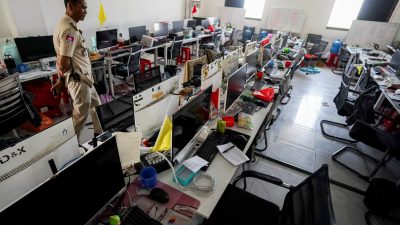






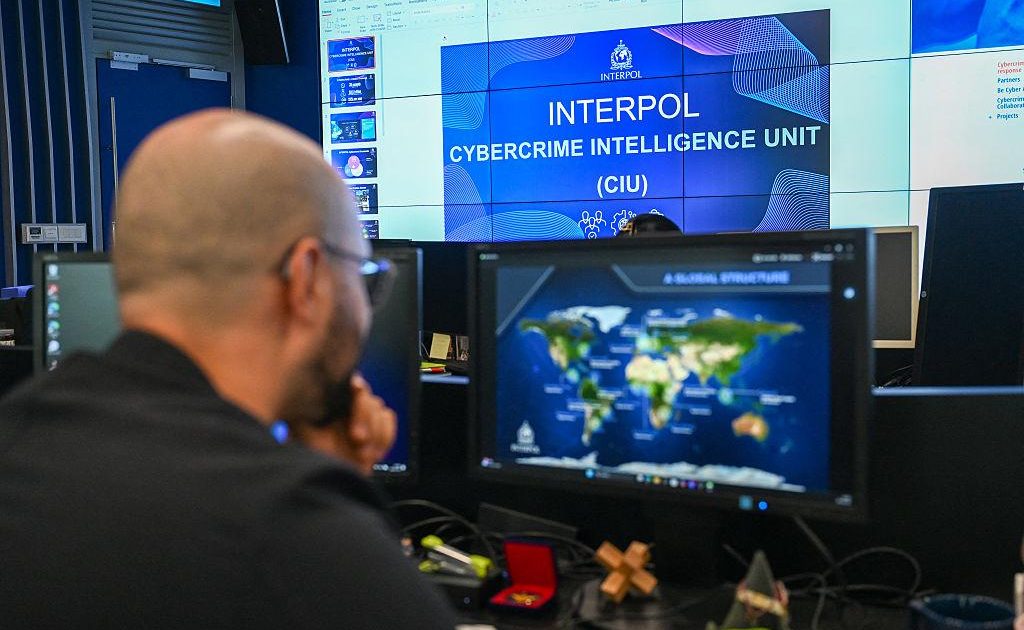
It was one of the largest coordinated cybercrime enforcement operations ever carried out. Interpol’s latest global takedown targeted more than 45,000 malicious IP addresses and led to 94 arrests across multiple continents — highlighting both the scale of modern cybercrime and the growing ability of international authorities to fight back.
The operation brought together dozens of national police forces along with private cybersecurity companies, offering a rare look into the hidden infrastructure behind online crime — a system that impacts hundreds of millions of internet users worldwide.
Why This Matters for the UAE
For the UAE, this is not distant news. The country has rapidly become a regional hub for digital commerce, fintech, and smart government services. That success also makes it a prime target for cybercriminals.
With high adoption of online banking, e-commerce, and digital payments, both residents and businesses in the UAE face increasing exposure to cyber threats. The more connected the economy becomes, the more attractive it is to attackers.
What the Operation Discovered
Rather than focusing only on individuals, the Interpol operation targeted the backbone of cybercrime: its infrastructure.
The 45,000 IP addresses that were taken offline were not random. They included servers and systems used to coordinate attacks, distribute malware, run botnets, and process stolen funds.
Disrupting this infrastructure forces cybercriminals to rebuild their networks, slowing down ongoing attacks and giving investigators time to identify those responsible.
The 94 arrests covered a wide range of cybercrime activities. Some suspects were linked to phishing operations targeting bank customers across different countries. Others were running darknet marketplaces selling stolen personal data and financial information. Several cases involved ransomware operators — a growing threat where criminals sell or lease hacking tools to others for profit.
The Botnet Threat Explained

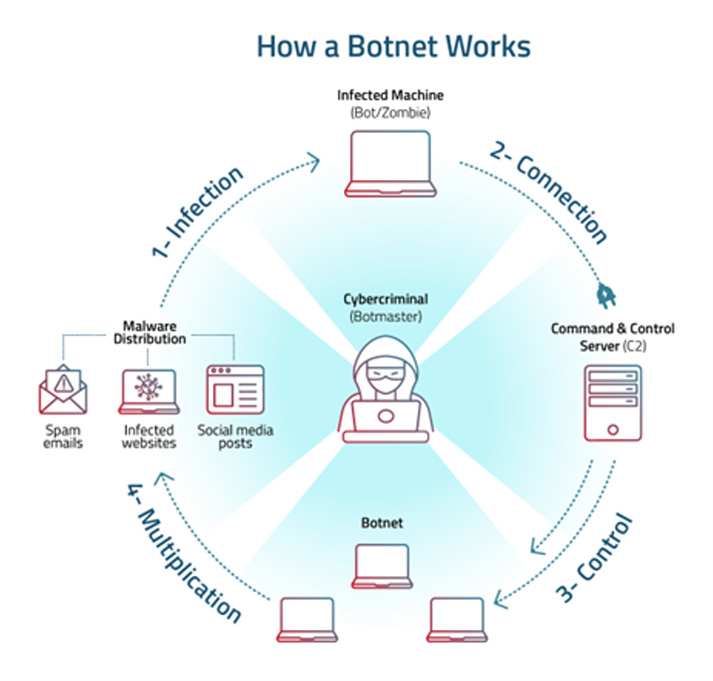
One of the most important elements of the operation was the targeting of botnets.
A botnet is a network of infected computers that are secretly controlled by criminals. These devices often appear normal to their owners, but in the background, they are being used to send spam, launch attacks, or generate illegal profits.
This makes botnets particularly dangerous. A personal laptop in Abu Dhabi or Dubai — used only for everyday tasks — can unknowingly become part of a global cyberattack after a single click on a malicious link.
Basic precautions remain the most effective defence: keeping software updated, using trusted security tools, and avoiding suspicious emails or links.
Public-Private Cooperation at Scale
A key reason this operation succeeded was the level of cooperation between governments and private companies.
Cybersecurity firms provided intelligence on malicious networks, including data on known IP addresses and attack patterns. Internet service providers helped block harmful traffic, while technology platforms shared information that allowed investigators to trace criminal activity.
This kind of collaboration has become essential. Cybercrime operates across borders, using encrypted systems and distributed networks. No single organisation can tackle it alone.
Even major tech companies have acknowledged this shift, describing cyber fraud as a “networked problem” that requires coordinated global action.
The UAE’s Role in Cybersecurity
The UAE is actively involved in international cybercrime efforts. Through its Cybersecurity Council, the country works closely with global partners to share intelligence and respond to threats.
It is also part of regional initiatives such as the Arab Computer Emergency Response Team network, which coordinates responses across Arab countries.
Within the country, aeCERT operates continuously to monitor cyber risks and respond to incidents affecting national infrastructure. Meanwhile, the Telecommunications and Digital Government Regulatory Authority works with service providers to detect and block malicious activity.
These systems are effective — but they must constantly evolve as cybercriminal tactics become more advanced.
What Comes Next
Cybercrime operations like this Interpol takedown are important, but they are not permanent solutions. Criminal networks adapt quickly. New infrastructure is built. New actors take the place of those arrested.
The reality is that cybercrime remains highly profitable and relatively low-risk for offenders, especially when operating across international borders.
Long-term progress depends on three key areas: strengthening digital systems to prevent attacks, improving international law enforcement cooperation, and increasing public awareness so users can recognise and avoid threats.
What It Means for UAE Residents
For people and businesses in the UAE, the message is clear.
This operation shows that global authorities are actively working to combat cybercrime — which is reassuring. But it also highlights the scale of the threat. Tens of thousands of malicious systems were shut down, yet many more remain active.
Cybersecurity is no longer just an IT issue. It is a daily responsibility for individuals, companies, and governments alike.
As the UAE continues to grow as a digital economy, staying secure online is not optional — it is essential.