




The fitness landscape of the UAE is changing shape. The era of choosing a lane — you were either a gym person or a runner, a CrossFit devotee or a yoga practitioner — is giving way to something more fluid and, according to both the science and the growing community of practitioners embracing it, considerably more effective. Hybrid fitness, defined as training that systematically combines cardiovascular endurance, strength development, mobility work and real-world functional movement, has emerged as the dominant fitness philosophy of 2026, and it is transforming how people across Dubai and Abu Dhabi think about exercise.
The shift is driven by a convergence of factors. Research into the health benefits of different exercise modalities has consistently found that combined training produces superior outcomes to specialisation for the average person seeking long-term health and physical capability. Social media communities built around hybrid training have attracted millions of followers, normalising training approaches that combine weightlifting sessions with running, cycling, swimming or outdoor movement. And a growing cultural conversation about longevity — staying functionally capable and physically vigorous into advanced age — has made versatility, rather than peak performance in a single domain, the aspirational outcome.
What Hybrid Fitness Actually Means

The term “hybrid fitness” can sound like marketing language, but it has a specific and meaningful content. At its core, it refers to training that develops multiple distinct physical capacities simultaneously: the cardiovascular engine, the muscular system, mobility and movement quality, and the ability to sustain performance under fatigue. A hybrid athlete can run ten kilometres at a reasonable pace, perform meaningful strength work, move well through a full range of joint motion and maintain form and output when they are tired.
This stands in contrast to the highly specialised approaches that dominated fitness culture for the previous decade. The pure powerlifter maximised strength but often at the cost of cardiovascular health and mobility. The endurance runner built an exceptional cardiovascular system but frequently struggled with muscle mass and bone density. The CrossFit athlete developed work capacity but sometimes at the cost of movement quality and injury risk. Hybrid fitness synthesises the best elements of multiple traditions into a coherent approach to physical development that serves the full demands of active life.
The UAE Context
For residents of Dubai and Abu Dhabi, the hybrid fitness movement intersects with the specific challenges and opportunities of the UAE environment. The country’s climate makes year-round outdoor training genuinely difficult — from May through September, temperatures and humidity levels in the middle of the day make outdoor exercise not just uncomfortable but dangerous. But the extraordinary infrastructure for indoor fitness — world-class gym facilities, swimming pools in virtually every residential development, air-conditioned indoor sports complexes — makes it possible to maintain high-quality training through the summer months.
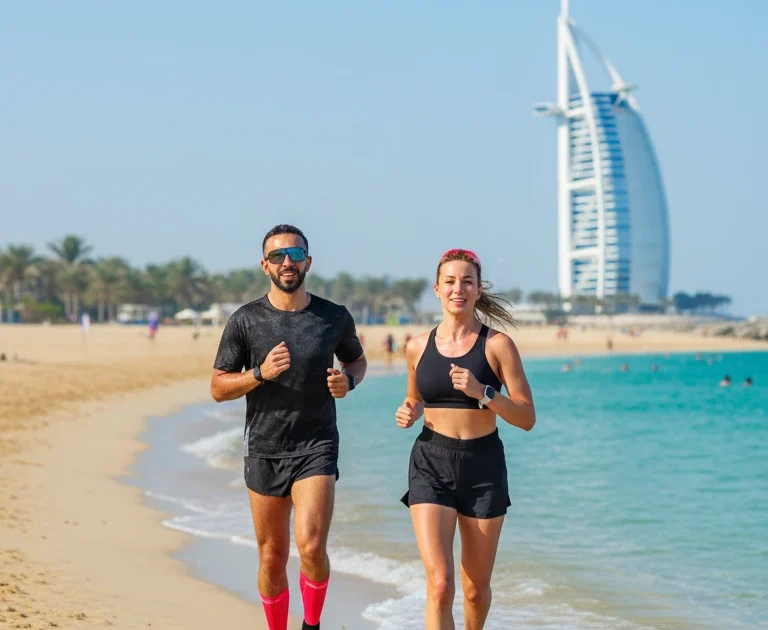
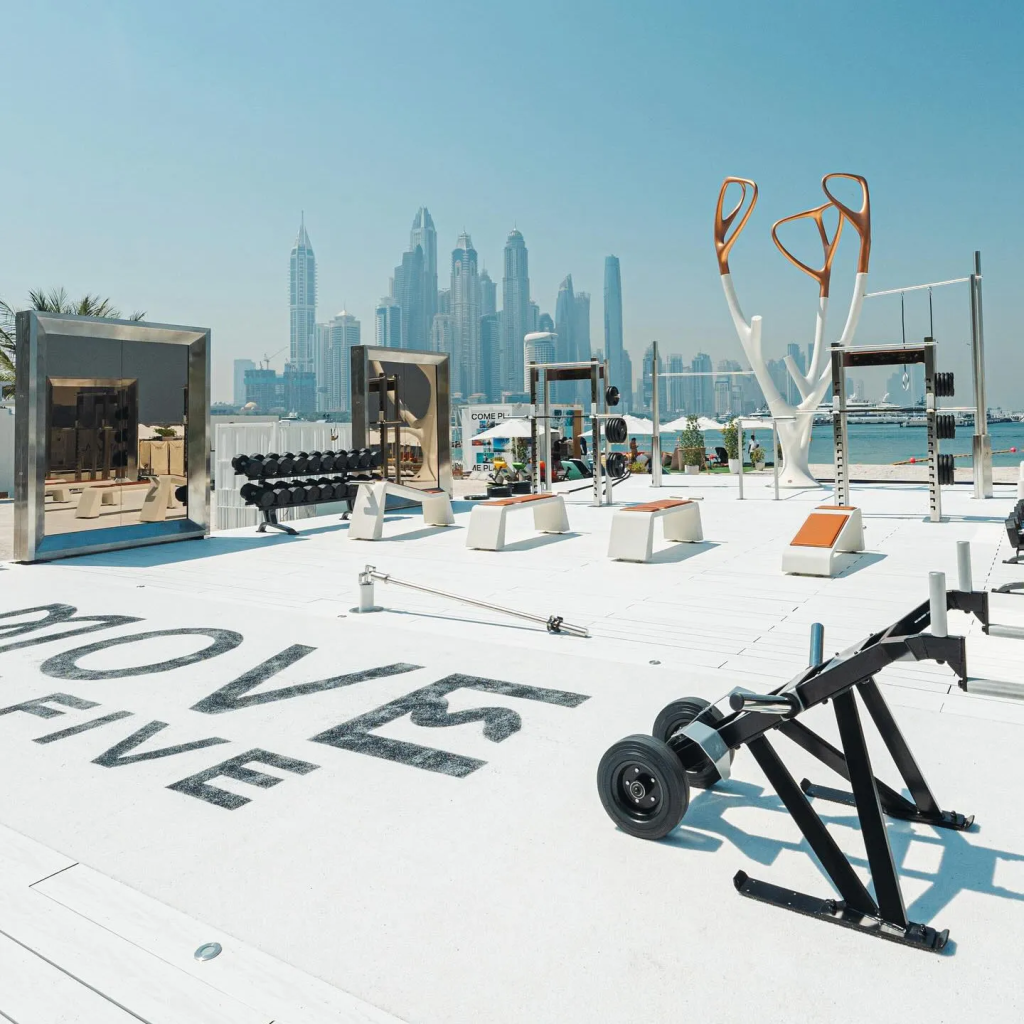
The UAE’s infrastructure for outdoor training during the cooler months — October through April — is equally impressive. The extensive cycling networks in Abu Dhabi, the beach running paths in Dubai and the growing number of outdoor fitness zones in parks and public spaces across both emirates provide options that residents are using with increasing enthusiasm during the comfortable winter season. Hybrid fitness is ideally suited to this seasonal pattern: indoor strength and conditioning work during the summer, complemented by outdoor cardiovascular and functional movement training during the winter.
Zone 2 Cardio: The Most Important Exercise Most People Skip
One of the concepts that has penetrated the UAE fitness conversation most deeply in 2026 is Zone 2 cardio training. Zone 2 refers to a specific intensity of cardiovascular exercise — roughly the pace at which you can hold a conversation but feel genuinely challenged — that has been identified by longevity researchers and sports scientists as the most valuable form of aerobic training for metabolic health, mitochondrial development and long-term cardiovascular function.
The challenge with Zone 2 is that it feels uncomfortably slow for people accustomed to intense training. The ego-gratifying feeling of maximum exertion — the interval session that leaves you gasping, the sprint that feels heroic — is largely absent. Instead, Zone 2 requires 30 to 60 minutes of sustained, moderate-intensity effort. Walking briskly, cycling at a conversational pace, swimming at a comfortable rhythm or jogging without pushing hard are all Zone 2 activities. The cumulative metabolic and cardiovascular benefit of consistent Zone 2 training, delivered two to four times per week, is substantial — and it complements rather than detracts from strength training.
Strength for Life, Not Just for Looks

The cultural framing of strength training has undergone a significant shift in UAE fitness culture. The gym, once primarily associated with aesthetic goals — bigger muscles, reduced body fat, a more impressive physique — is increasingly understood as the place where people build the physical capacity that enables a high quality of life for decades. The language of longevity has entered the weights room.
This reframing is particularly important for demographics that have historically underrepresented in UAE gyms: women, older adults and those without existing fitness backgrounds. When strength training is presented as a strategy for bone density preservation, fall prevention, metabolic health and functional independence rather than aesthetic transformation, it becomes relevant to a much broader population. The proliferation of women-only training spaces in the UAE, the growth of personal training programmes specifically targeting adults over 50 and the increasing sophistication of gym programming aimed at functional rather than aesthetic outcomes all reflect this shift.
Community as the Secret Ingredient
Perhaps the most underappreciated dimension of the fitness revolution in the UAE is the role of community. The running clubs, cycling groups, outdoor workout communities and hybrid training groups that have proliferated across both emirates in recent years are not just social clubs — they are powerful behaviour change mechanisms. Social accountability, the pleasure of shared challenge and the identity of belonging to a community of people who prioritise physical activity all produce sustained exercise adherence in ways that individual willpower alone rarely matches.
The UAE’s uniquely international, highly social, community-oriented culture makes it particularly fertile ground for fitness communities. Groups like the Dubai Running Club, the Abu Dhabi Striders and dozens of neighbourhood-based workout communities have attracted thousands of members across every demographic. In 2026, the question is no longer whether to exercise — the evidence for its importance is settled. The question is which community to join, and the answer might be the most impactful fitness decision anyone in the UAE makes this year.