





As Eid Al Fitr arrives and the fasting period of Ramadan comes to an end, Dubai’s nutritionists and wellness practitioners are united on one piece of advice: how you eat in the days and weeks after Ramadan ends matters enormously for your gut health and through it, for your overall wellbeing for the rest of the year. The science of gut health has advanced significantly in recent years and what researchers are finding increasingly confirms that the gut microbiome — the community of trillions of bacteria living in your digestive system — influences everything from your mood and energy levels to your immune function and risk of chronic disease.
What Ramadan Does to Your Gut
What Ramadan Does to Your Gut
Intermittent fasting of the kind practised during Ramadan — eating only between Iftar and Suhoor — has been shown in multiple studies to have beneficial effects on the gut microbiome. The extended fasting period allows the digestive system to rest and repair, reduces inflammatory markers and can shift the composition of gut bacteria in directions associated with better metabolic health. However the benefits of Ramadan fasting can be undone quickly if the return to normal eating is managed poorly.
The Post-Ramadan Mistake Most People Make
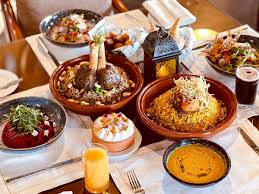
The most common mistake after Ramadan is treating Eid as an unlimited feast period where all dietary restraint is abandoned. Large quantities of rich, fatty, sugary food consumed rapidly after a month of disciplined eating creates significant stress on a digestive system that has adapted to the fasting rhythm. Bloating, digestive discomfort, energy crashes and weight gain are the predictable results of the aggressive dietary whiplash that many people put their bodies through over Eid.
What to Do Instead
Dubai nutritionists advise introducing foods gradually over the Eid period rather than eating large volumes all at once. Prioritise fermented foods like yoghurt, kefir and pickled vegetables that directly nourish beneficial gut bacteria. Eat slowly, chew thoroughly and avoid eating to the point of discomfort. Continue drinking at least two litres of water daily. If you choose to eat traditional Eid dishes enjoy them but in moderate portions alongside plenty of vegetables and fibre-rich foods that support digestive health.
Source: Khaleej Times, What’s On Dubai, Global Wellness Institute