





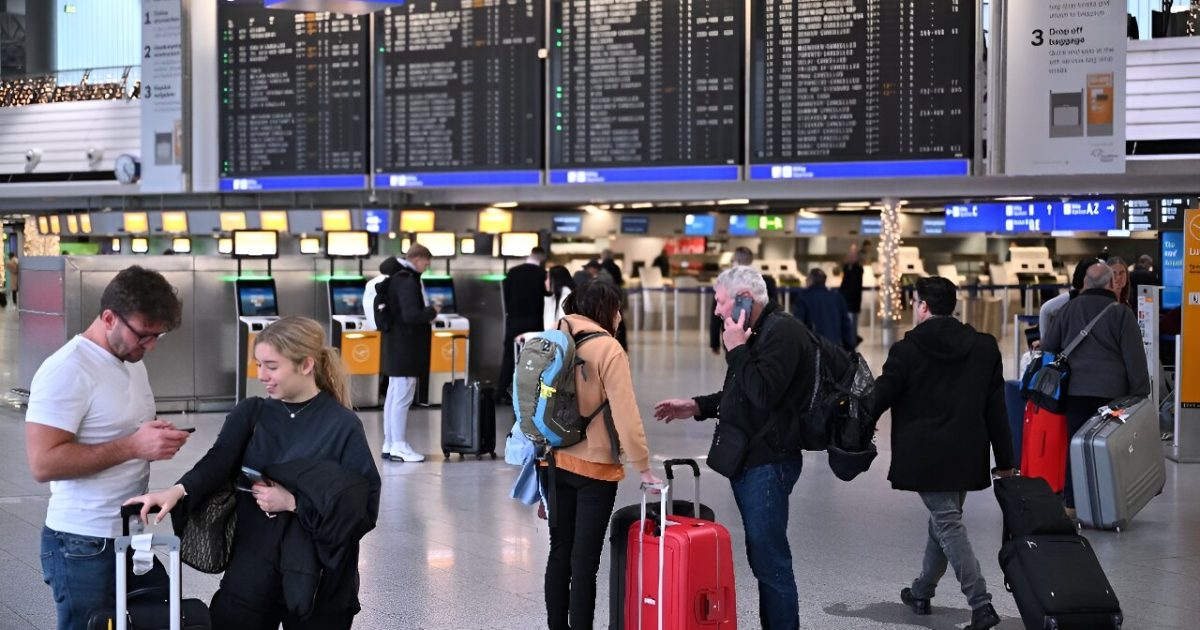
Global air travel is facing renewed disruption in 2026, with delays, cancellations, and airport congestion affecting millions of passengers across Europe, North America, and parts of Asia. The surge in disruptions is being driven by a combination of staffing shortages, industrial strikes, technical system failures, and growing travel demand.
From packed departure halls to last-minute cancellations, passengers worldwide are experiencing growing uncertainty, making air travel one of the most searched and discussed global issues this week.
Delays and Cancellations Rising Worldwide
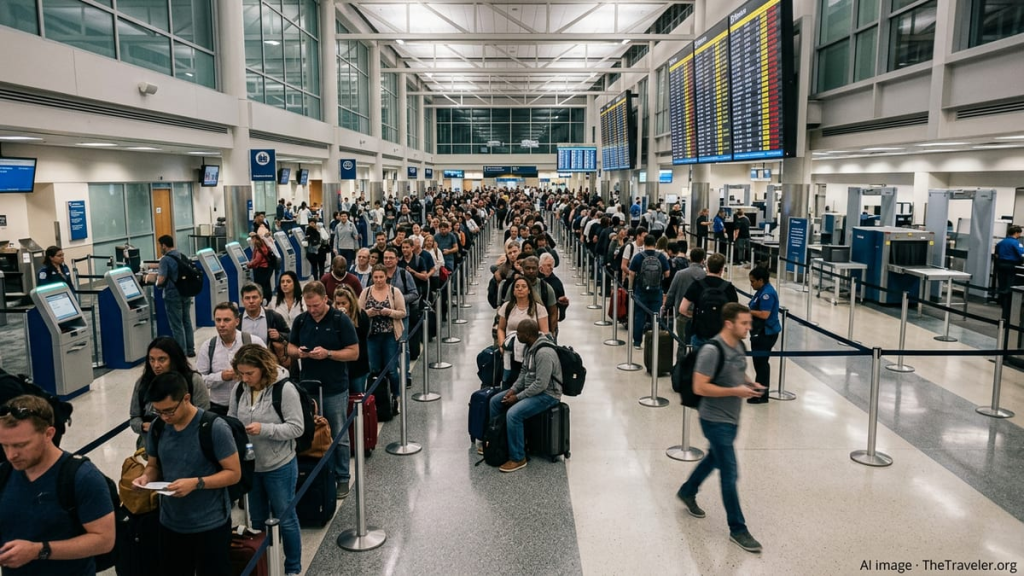
Airlines and airports are struggling to keep up with demand as international travel continues to rebound strongly in 2026. However, operational challenges are causing widespread delays.
Major aviation hubs in cities such as London, New York, Paris, and Frankfurt have reported:
- Long waiting times at check-in and security
- Delayed departures due to air traffic congestion
- Missed connections affecting international routes
Travel data shows that delay rates have increased compared to the same period last year, particularly during peak travel days and weekends.
Passengers are now increasingly searching for real-time updates, compensation rules, and alternative travel options as disruptions continue.
Strikes Add Pressure to the Aviation Sector
One of the biggest contributors to the disruption is a wave of strikes across the aviation industry.
Airport staff, airline crews, and air traffic controllers in several countries have staged walkouts over:
- Pay disputes amid rising living costs
- Staffing shortages and workload concerns
- Working conditions in busy travel periods
In Europe especially, strikes have led to hundreds of flight cancellations in a single day, creating ripple effects across global flight networks.
Because air travel is highly interconnected, disruptions in one region often affect flights worldwide, including long-haul routes to the Middle East and Asia.
Staffing Shortages Still Affecting Operations
Despite recovery efforts after the pandemic years, the aviation industry continues to face staffing gaps.
Airlines and airports are dealing with:
- Shortage of trained pilots and crew
- Ground handling delays due to limited staff
- Security bottlenecks at major terminals
Recruitment has not kept pace with demand, and training new staff takes time. This has created operational strain, especially during peak travel seasons.
As a result, even minor disruptions can quickly escalate into large-scale delays.
Technology Failures and System Glitches
In addition to staffing issues, technical problems are also contributing to delays.
Recent incidents include:
- Air traffic control system outages
- Airline booking system failures
- Airport baggage handling disruptions
These issues can halt operations for hours, leading to cascading delays across multiple flights and regions.
Experts say increasing reliance on digital systems has improved efficiency but also introduced new vulnerabilities.
Passenger Frustration Growing
With delays becoming more frequent, passenger frustration is rising globally.
Travelers report:
- Spending hours in queues
- Lack of clear communication from airlines
- Difficulty securing refunds or rebooking options
Social media platforms are filled with real-time complaints, videos of crowded airports, and passengers sleeping on terminal floors.
This surge in user-generated content is also driving search traffic, as more people look for updates and advice before traveling.
Airlines Respond with Operational Changes
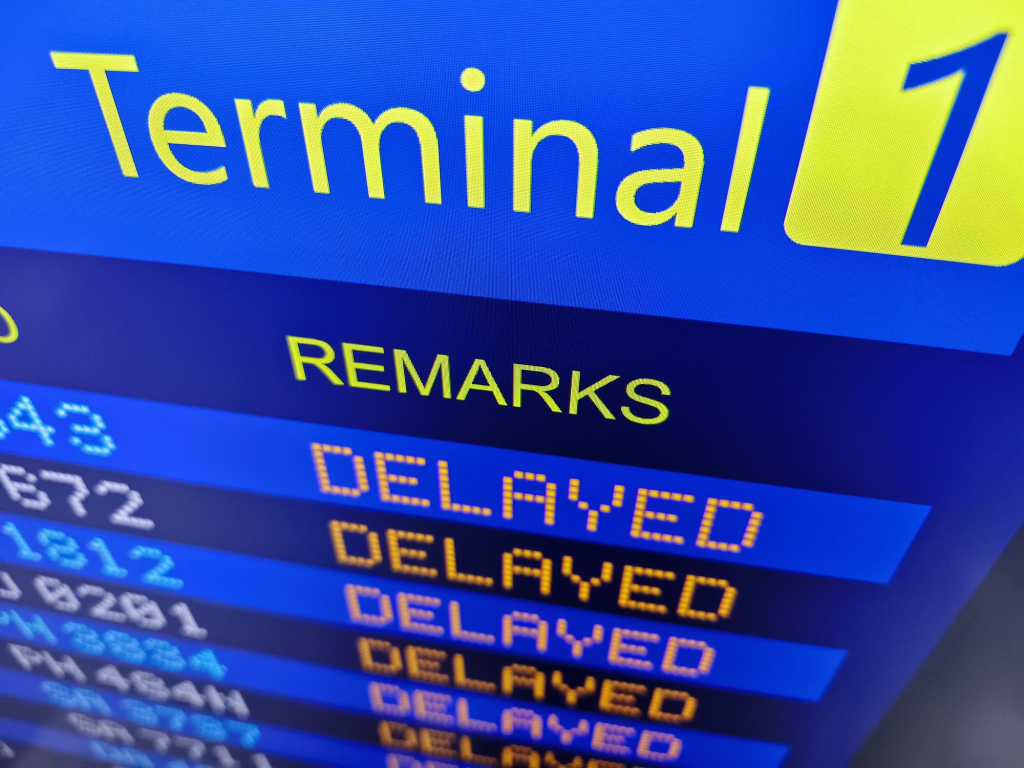
Airlines are now taking steps to manage the disruption and restore confidence.
Some of the measures being introduced include:
- Increasing buffer times between flights
- Expanding customer support services
- Offering flexible rebooking options
Airlines are also investing in technology to improve real-time communication with passengers.
However, industry experts warn that these measures may take time to show results, especially as travel demand continues to rise.
Impact on Global Travel and Economy
The disruption is not just affecting travelers — it also has broader economic implications.
Air travel plays a critical role in:
- Tourism
- Business travel
- Global trade
Delays and cancellations can lead to:
- Financial losses for airlines and airports
- Reduced tourism revenue
- Disruption in supply chains
For countries that rely heavily on tourism, ongoing aviation issues could impact economic recovery in 2026.
What Travelers Should Expect
Experts say disruptions are likely to continue in the short term, especially during busy travel periods.
Passengers are advised to:
- Arrive early at airports
- Monitor flight status regularly
- Consider travel insurance
- Allow extra time for connections
Planning ahead and staying flexible has become essential for travelers navigating the current situation.