






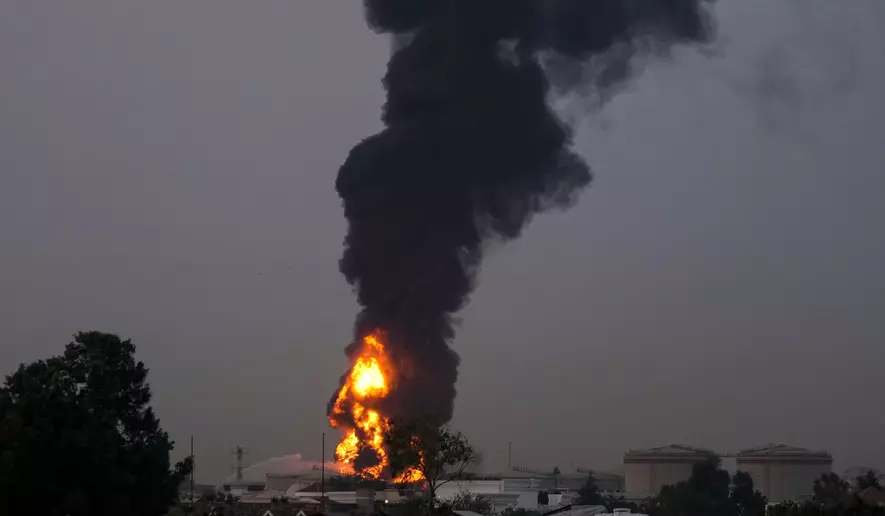
Global energy crisis concerns are rapidly growing as escalating conflict in the Middle East disrupts oil and gas supplies, pushing prices sharply higher and raising fears of inflation worldwide. Oil prices have surged past $100 per barrel, with markets reacting to continued attacks on energy infrastructure and uncertainty across the region.
The crisis is now one of the most searched and closely followed global stories, as governments, businesses, and consumers brace for rising fuel costs and broader economic impact. Analysts warn that continued instability could lead to long-term disruptions affecting global trade and energy security.
This situation highlights how interconnected the global economy has become, where regional conflicts can quickly trigger worldwide financial consequences. More insights can be found in our coverage of global economic and energy trends.
Oil Prices Surge as Supply Disruptions Intensify

Energy markets have reacted immediately to the crisis, with oil prices jumping above $100 and in some cases approaching $120 per barrel. This increase follows disruptions to major supply routes and infrastructure in the Gulf region.
Gas prices have also risen sharply, particularly in Europe, where costs surged by around 15 percent due to fears of reduced LNG supply.
The Strait of Hormuz, a key global shipping route, remains a major concern, as any disruption there could impact a significant portion of the world’s oil supply.
These developments are already affecting fuel costs globally, with consumers facing higher petrol and energy bills in multiple regions.
Central Banks Warn of Inflation and Economic Impact

Central banks around the world are now preparing for the economic fallout, warning that rising energy prices could trigger inflation and slow economic growth.
Institutions including the US Federal Reserve and European Central Bank have indicated they may adjust interest rates if inflation continues to rise. Some forecasts suggest inflation could increase significantly if supply disruptions persist.
Financial markets have already reacted negatively, with stock markets falling as investors respond to uncertainty and rising costs.
Economists warn of a possible “stagflation” scenario, where high inflation combines with slow growth—one of the most challenging conditions for global economies.
Conflict Expands to Strategic Energy Infrastructure

Recent attacks have increasingly targeted energy infrastructure, marking a shift from purely military targets to economic assets. Facilities in the Gulf region have been hit, disrupting production and raising security concerns.
Experts say this strategy could have a broader global impact, as energy supply is directly linked to economic stability. The targeting of oil and gas facilities increases the risk of prolonged disruptions.
Air travel, shipping routes, and industrial operations are already feeling the effects, with some sectors reporting delays and increased costs.
The escalation has also prompted countries to release emergency oil reserves and increase security around key infrastructure.Global Energy Crisis Fears Rise as Middle East Conflict Pushes Oil Above $100
What This Means for the World

The ongoing crisis is expected to have wide-ranging consequences, from higher living costs to slower economic growth. Fuel prices influence everything from transportation to food costs, meaning the impact will be felt globally.
For countries heavily dependent on energy imports, the situation could lead to increased financial pressure and policy changes.
At the same time, the crisis may accelerate investment in alternative energy sources as governments look for long-term solutions.
For now, markets remain highly sensitive to developments in the region, with every new update affecting prices and investor confidence.
As covered in our global economy and energy crisis updates, the situation continues to evolve, with the world closely watching how events unfold in the coming weeks.