






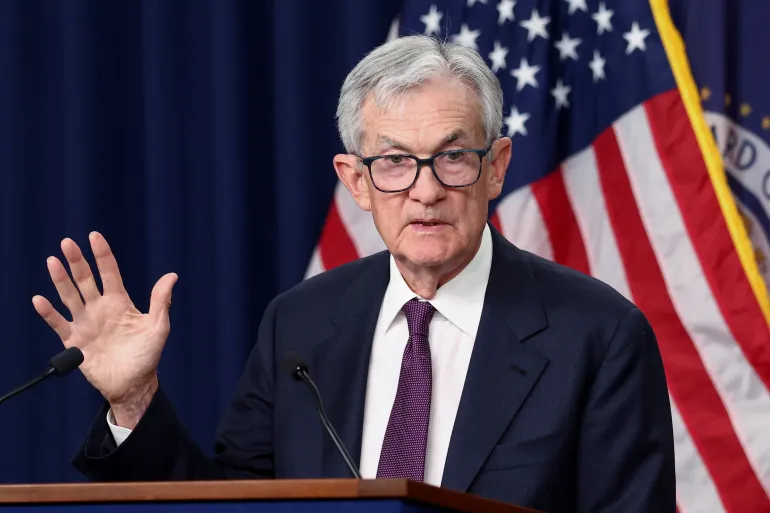
The United States Federal Reserve made the decision many expected at its March meeting but the reasoning behind it reflects a degree of uncertainty rarely seen in modern central banking. The Fed kept its key interest rate steady, neither cutting nor hiking, while Fed Chair Jerome Powell acknowledged in unusually candid terms that forecasting the future and modelling policy at a time when the United States is at war with Iran is nearly impossible. The statement, delivered in Powell’s post-meeting press conference, captured the profound economic disorientation created by a conflict nobody in the financial world had factored into their models at the start of 2026.
What the Fed Said
The post-meeting statement saw only minor tweaks from the previous version. The updated economic projections showed a modest shift but Powell used some form of the word uncertain more than half a dozen times during his press conference, an unusually high frequency that markets noticed. The dot plot, which shows where Fed members expect rates to go, saw a modest dovish shift but provided little clear guidance given the extraordinary uncertainty of the current environment.
The Rate Hike Warning
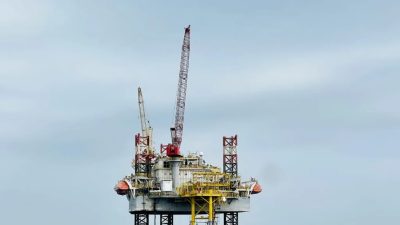
More alarming for markets was the assessment from Macquarie strategists, who said the Federal Reserve’s next move is likely to be a rate hike rather than a cut. The firm cited inflationary pressures building from the oil price shock caused by the Strait of Hormuz closure, arguing that higher energy costs will feed through into broader price increases across the economy. Macquarie pushed its timeline for a potential hike to the first half of 2027, saying there were mixed signals from the labour market and potential consumer headwinds from higher oil prices in the near term.
What This Means for UAE Residents
The UAE dirham is pegged to the US dollar which means the Fed’s interest rate decisions directly influence borrowing costs in the Emirates. If rates remain on hold or eventually rise, mortgage rates and loan costs for UAE residents will reflect those decisions. The energy price shock is also feeding through into higher costs of living globally, a trend that UAE residents are not immune to despite the country’s fuel subsidies and price controls.
Source: CNBC, Bloomberg, Macquarie Research, Federal Reserve