






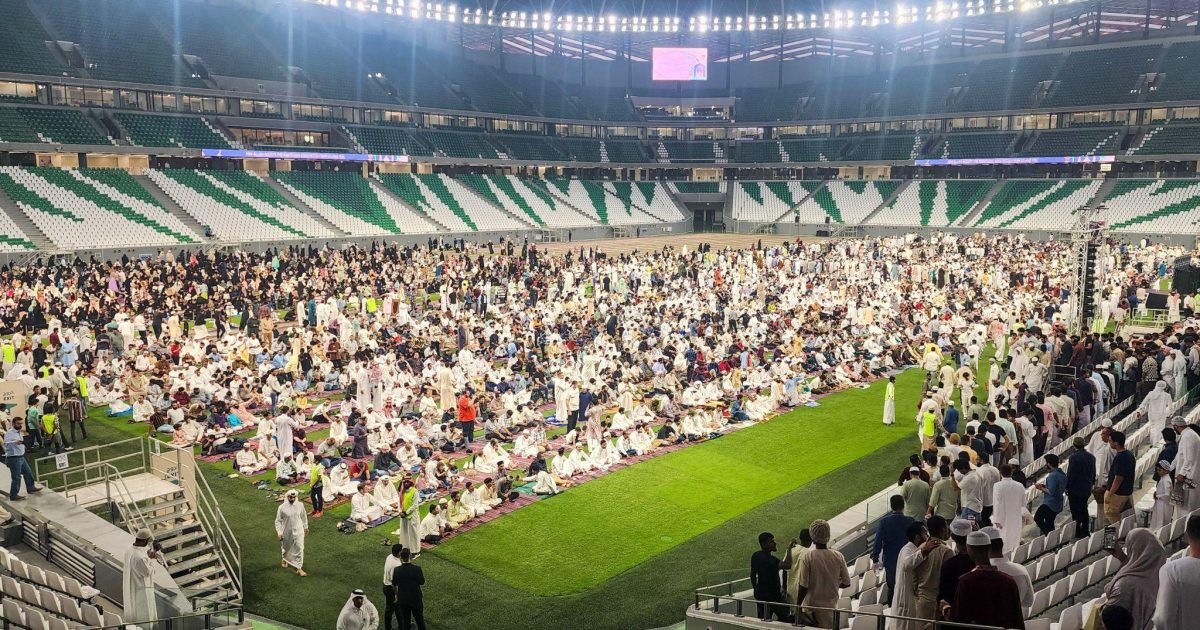
Eid Al Fitr 2026 has officially begun in several countries, with different regions confirming varying dates based on the sighting of the Shawwal crescent moon. The variation highlights how Islamic holidays are determined by lunar observations, leading to differences across countries.
This year, a number of Gulf nations confirmed Eid on March 20, while others including large parts of South Asia will celebrate on March 21. The split reflects traditional moon-sighting practices, where each country relies on local or regional confirmation.
The timing of Eid marks the end of Ramadan, one of the most significant periods in the Islamic calendar, and begins the month of Shawwal.
Countries Celebrating Eid Al Fitr on March 20

Several Gulf countries have officially confirmed Eid Al Fitr on Friday, March 20, 2026, following the completion of a 30-day Ramadan and the non-sighting of the moon on the expected evening.
These countries include:
- United Arab Emirates
- Saudi Arabia
- Qatar
- Kuwait
- Bahrain
Authorities in these nations confirmed the date based on official moon-sighting committees, aligning celebrations across much of the Gulf region.
This unified decision means millions across the Middle East will begin Eid festivities on the same day, with prayers, family gatherings, and public celebrations taking place from early morning.
Countries Celebrating Eid Al Fitr on March 21

In contrast, several countries will observe Eid on Saturday, March 21, 2026, after confirming that the crescent moon was not visible locally.
These include:
- India
- Pakistan
- Bangladesh (expected)
- Other parts of South Asia
For example, India officially announced Eid on March 21 after the moon was not sighted on March 19 evening.
This one-day difference is common each year due to geographical variations in moon visibility and differing reliance on local versus regional sightings.
Why Eid Dates Differ Across Countries

The difference in Eid dates is rooted in the Islamic lunar calendar, where months begin only after the crescent moon is physically sighted.
Key reasons for the variation include:
- Geographical location: Moon visibility differs by region
- Weather conditions: Clouds can block sighting
- Method used: Some countries rely on local sightings, others follow regional announcements
- Astronomical vs traditional methods: Some nations use calculations, others require physical confirmation
Because of these factors, Eid often falls on different days globally, even though the religious significance remains the same.
What This Means for UAE and Global Celebrations

For residents in the UAE and across the Gulf, Eid Al Fitr 2026 begins on March 20, marking the end of Ramadan with prayers, charity, and celebrations.
Meanwhile, millions in South Asia and other regions will celebrate a day later, continuing the global tradition of staggered Eid observances.
Despite the date difference, the essence of Eid remains unchanged—bringing families together, encouraging charity, and celebrating the completion of a month of fasting and reflection.
As covered in our Ramadan and Eid updates across the UAE, the diversity in celebration dates reflects the global nature of the Muslim community while preserving local traditions.