





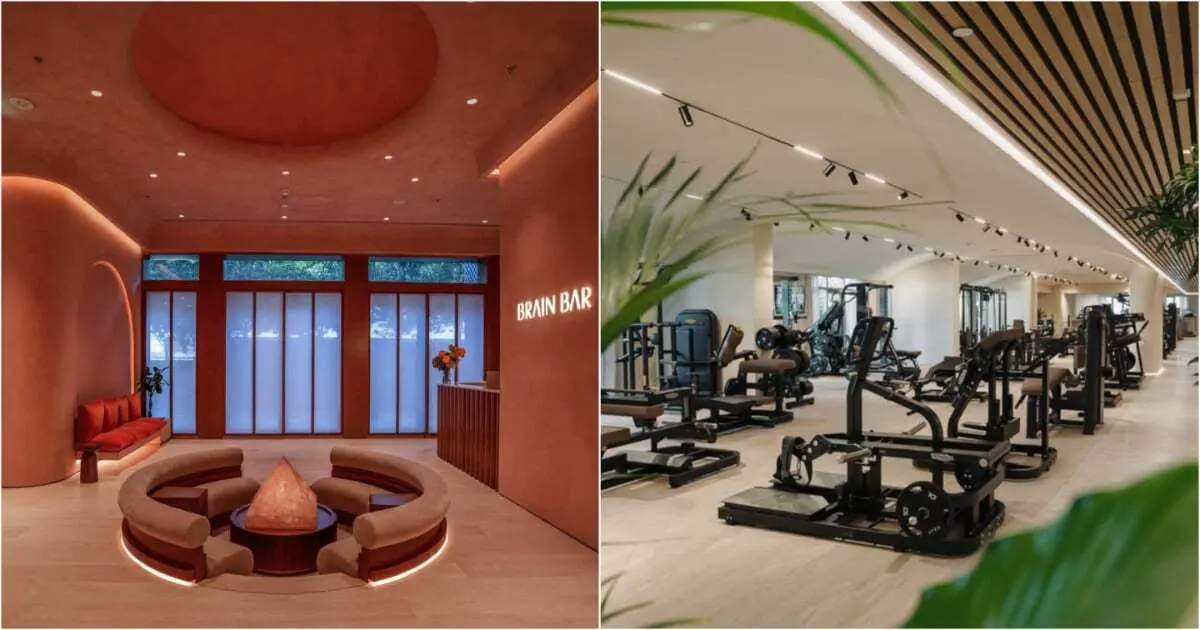
The era of the traditional gym in Dubai is effectively over. New industry data shows that 76 percent of fitness operators in the UAE have evolved beyond the standard weights-and-cardio model into what are now called hybrid wellness facilities. Only 24 percent of operators still function as traditional gyms. The shift reflects a profound change in how Dubai residents think about health, movement and community — a change that was already underway before the current period of conflict and has been accelerated by the psychological demands of living through extraordinary circumstances.
What a Hybrid Wellness Club Offers
A hybrid wellness club combines elements that would previously have required multiple different memberships and facilities. Movement is central — most offer a range of classes including functional fitness, yoga, Pilates, martial arts and swimming rather than just open gym floor access. Recovery is treated as equally important as training, with most premium facilities including sauna, steam room, ice bath and often cryotherapy or infrared sauna options. Nutrition is addressed through in-house healthy food and supplement offerings. The social element is deliberately designed — communal spaces encourage members to connect, and many clubs structure their programming around group classes and community events rather than solo training.
The Premium Orientation of UAE Fitness
The UAE fitness market is notable for its strong premium and mid-market orientation. Only 7 percent of operators position themselves as budget options, the lowest proportion of any major market globally. This reflects the preference of UAE residents — across all nationalities — for quality facilities and reflects the willingness to invest in health that characterises the Emirates’ consumer culture. Premium fitness memberships in Dubai typically range from AED 400 to AED 1,500 per month depending on the facility and the breadth of services included.
Government Support for the Industry
The UAE government has been an active driver of fitness culture through initiatives including the Dubai Fitness Challenge, which annually encourages residents to complete 30 minutes of exercise for 30 days, and the National Sports Strategy 2031, which sets ambitious targets for physical activity participation across the population. Obesity and diabetes affect roughly 20 percent of the UAE’s population and authorities view the fitness industry as a critical partner in addressing this public health challenge.
Source: Global Wellness Institute, What’s On Dubai, Khaleej Times, Consultancy ME