


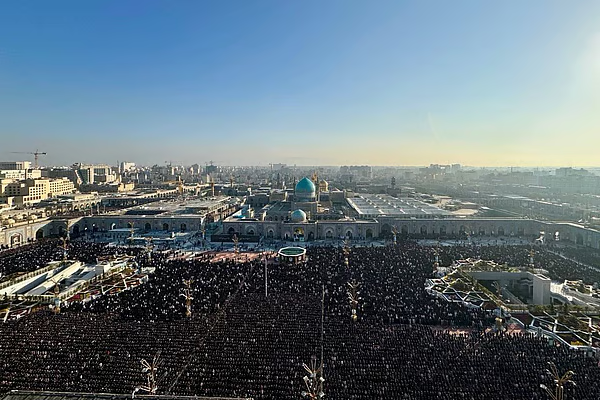
There is an image from this Eid morning that will stay with people for a long time. Hundreds of Muslim worshippers kneeling in prayer on the pavement outside the walls of Jerusalem’s Old City, police surrounding them, the Al-Aqsa Mosque locked behind those walls for the first time on Eid since 1967. A few hours later, a fragment from an intercepted Iranian ballistic missile landed 400 metres from that same spot, scattering debris across a parking lot in the Jewish Quarter.
This is what Eid Al Fitr looks like on Day 22 of this war.
Al-Aqsa Closed. Eid Prayers on the Pavement.
Since the US-Israel war on Iran began on February 28, Israeli authorities have barred access to Jerusalem’s Old City for anyone except residents and shop owners. Al-Aqsa Mosque, the Western Wall and the Church of the Holy Sepulchre have all been sealed under Home Front Command wartime security guidelines. No exceptions, including for one of the most significant religious observances in the Islamic calendar.
On Eid morning, hundreds of Palestinian worshippers still came. They gathered outside the walls, on the pavements and in the narrow streets surrounding the Old City, and they prayed. An imam stood on a plastic stool and delivered a short sermon. “Pray, invoke Almighty God and hope that your prayers will be answered,” he told the crowd. “O God, grant victory to the oppressed.”
Israeli police initially allowed the street prayers to proceed. When the crowd exceeded what authorities described as approved capacity limits and appeared to move toward the security perimeters, officers moved in using tear gas and batons to disperse the worshippers. At least one person was arrested. The worshippers eventually dispersed into the surrounding streets, buying warm bread from nearby stalls as they went.
The Israeli police said their actions were taken purely for public safety reasons given the wartime restrictions. Critics, including the Foreign Press Association which earlier this week condemned what it called an unprovoked assault on journalists covering evening prayers outside the walls, have pushed back sharply on that framing.
For the Palestinian communities of Jerusalem, the closure of Al-Aqsa during Eid carried a weight that went beyond security policy. “Ramadan without the Al-Aqsa Mosque is a very sad feeling, a feeling of having a broken heart,” one worshipper told reporters. Another, a Palestinian man in his sixties named Wajdi Mohammed Shweiki, was more direct. “Today, Al-Aqsa has been taken from us. It’s a sad and painful Ramadan. It’s a catastrophic situation for the inhabitants of Jerusalem, for Palestinians in general and for all Muslims across the globe.”
Israel Hits Tehran on Eid Morning
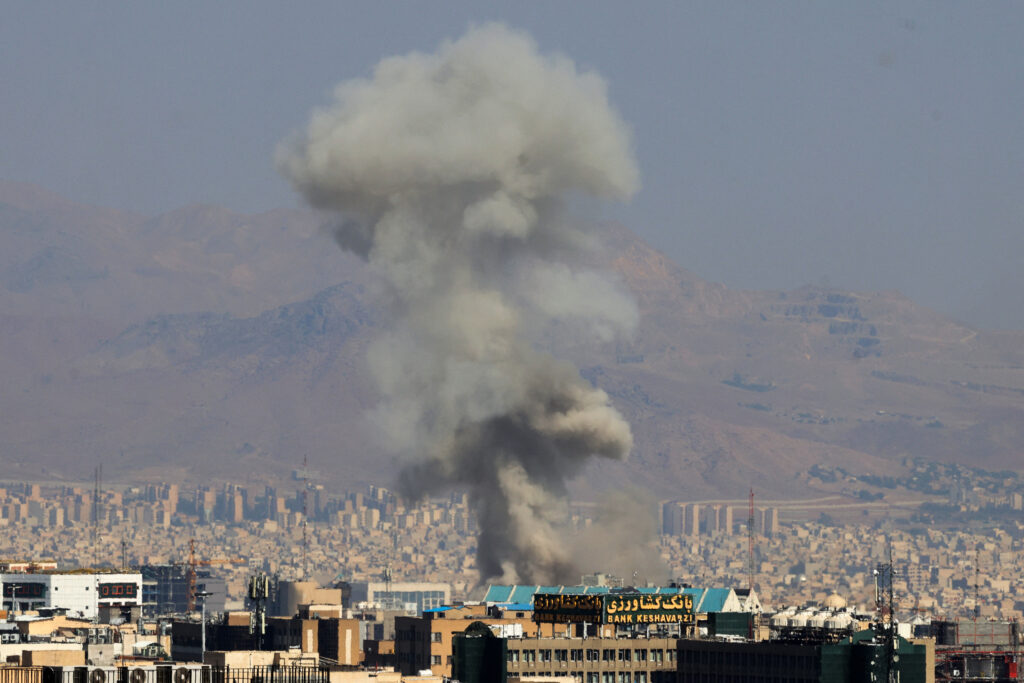
While worshippers prayed outside Jerusalem’s locked gates, Israeli forces launched a fresh wave of airstrikes on the Iranian capital. Tehran was hit again, as it has been repeatedly throughout the 22 days of this conflict. Iran’s state broadcaster confirmed that air defences were activated against incoming targets in the east of the capital. Explosions were heard across the city.
The strikes came even as Israel’s Prime Minister Benjamin Netanyahu had signalled, at Trump’s request, that Israel would pause attacks on Iranian energy infrastructure following the controversial strike on the South Pars gas field earlier this week. Military and government targets in Tehran, it is clear, remain firmly within scope.
The new Iranian Supreme Leader, Mojtaba Khamenei — the son of Ayatollah Ali Khamenei who was killed in the opening strikes of the war on February 28 — has not been seen publicly since his father’s death. On Eid morning he issued a written statement saying Iran had responded with unity and resistance and had dealt a “disorienting blow to the enemy.” A US intelligence official told reporters that the written-only statement raises questions about Khamenei’s current condition, noting that his father had traditionally marked major occasions with video addresses.
Iran’s Revolutionary Guard spokesperson told journalists on Friday that Tehran was still building missiles and that the war would continue. Hours later, that same spokesperson was killed in an Israeli airstrike.
Netanyahu’s Claim and the Question It Raises
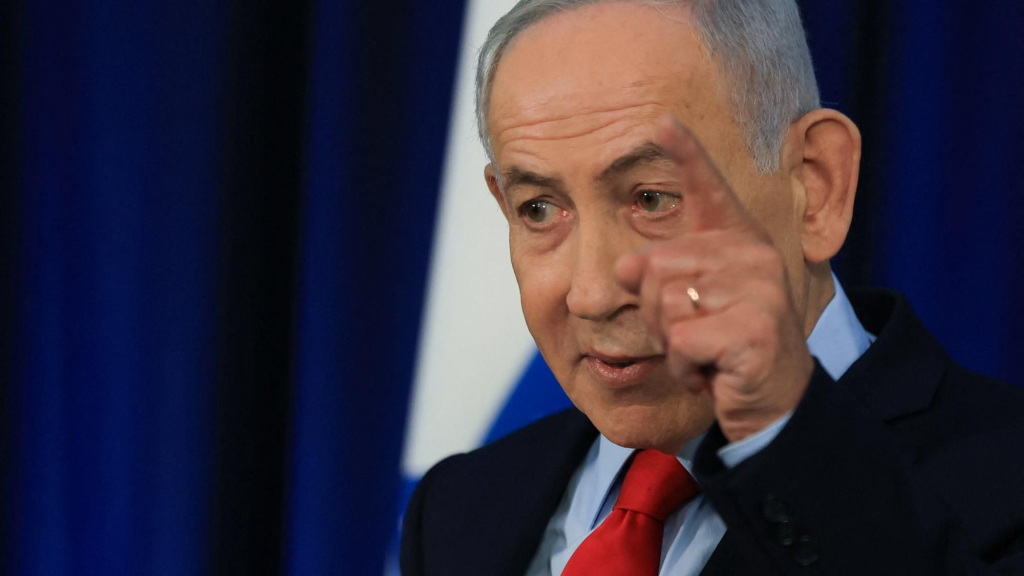
The most significant statement of the past 24 hours came from Netanyahu himself, delivered at a press conference in Jerusalem on Thursday — his first in-person public appearance since the war began.
Standing at the podium, Netanyahu made a sweeping claim about the state of Iran’s military. After 20 days of joint US-Israeli strikes, he said, Iran no longer has the ability to enrich uranium or produce ballistic missiles. “We are winning, and Iran is being decimated,” he said. “We will crush them to dust, to ashes.” He added that he is “not sure who is running Iran right now” given the deaths of the supreme leader and dozens of senior officials, and described visible “cracks” inside the surviving Iranian leadership.
He also denied that Israel had dragged the United States into the conflict. “Does anyone really think that someone can tell President Trump what to do?” he asked the room.
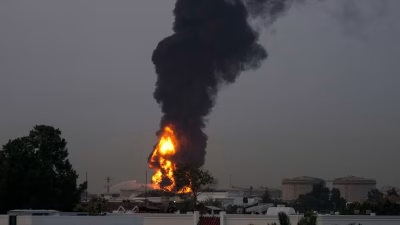
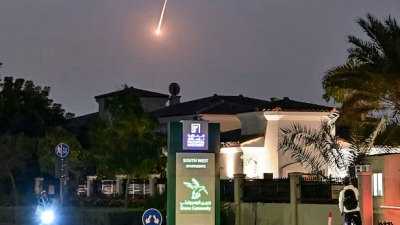
It was a striking performance. And there is an obvious complication sitting right next to it. Even as Netanyahu was declaring Iran incapable of producing ballistic missiles, Iran was firing them. At Israel. At the UAE. At Kuwait. At Saudi Arabia. At Qatar. The missiles Netanyahu said could no longer be made kept coming throughout the night and into this morning.
Netanyahu offered no independent evidence for his uranium enrichment claim. Iran’s own officials flatly denied it. The truth of what remains of Iran’s nuclear and missile infrastructure, buried deep and spread across a vast country, may not be knowable for months or years.
What This Means for the UAE
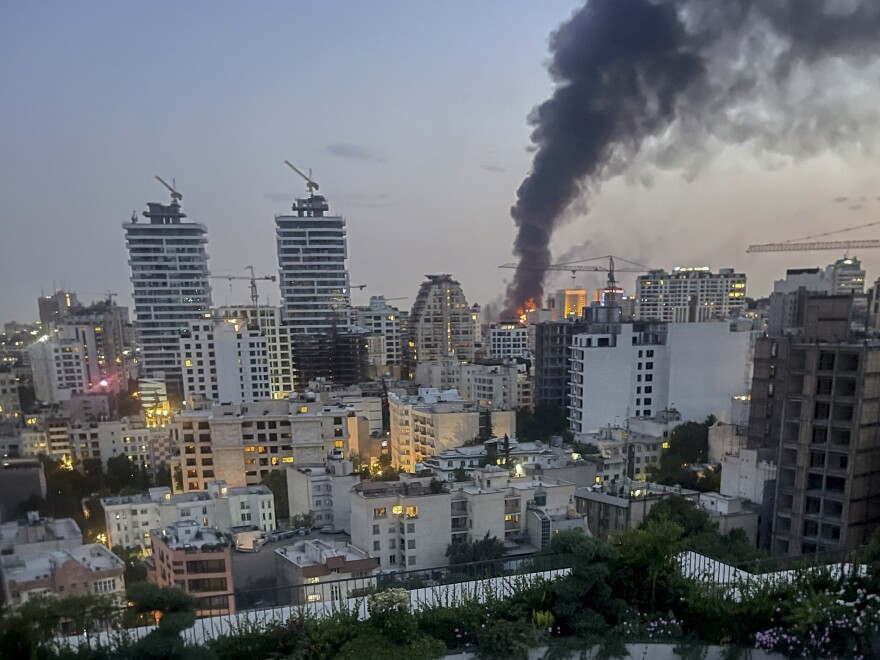
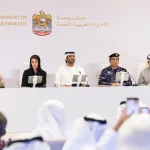
For the two million-plus residents of the UAE waking up to Eid this morning, the picture remains what it has been for three weeks. The war is not pausing. The missiles are still coming. The air defences are still working.
The UAE has now absorbed 338 ballistic missiles, 15 cruise missiles and over 1,740 drones since February 28. Eight people have died on UAE soil. The UAE was never a combatant in this conflict and yet it has been targeted more heavily than almost any other country in the region.
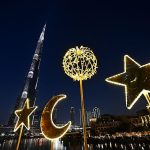
What has not changed is the response of the people who live here. On the morning Iran fired again and Israel struck Tehran again and Muslim worshippers prayed on pavements outside a locked mosque in Jerusalem, the residents of Dubai and Abu Dhabi went out and celebrated Eid.
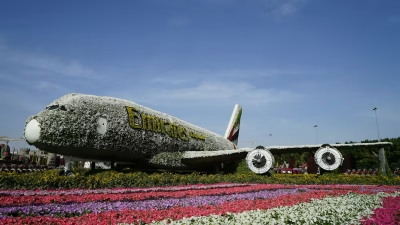
They ate with their families. They visited the Miracle Garden. They drove to the beach on free parking. They posted Eid Mubarak on their stories. They did all the things that people who have decided to live normally under abnormal circumstances do.
That is not a small thing. That might actually be the most important thing about this particular Eid morning.
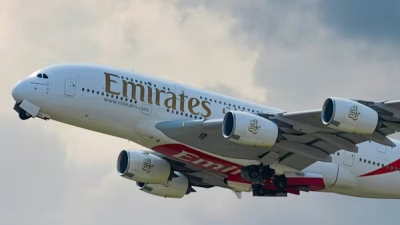
For the full picture of what the UAE’s air defences have achieved across 22 days read our report on UAE Air Defences Intercepting Over 2,000 Iranian Missiles and Drones. For everything you need to know about getting around Dubai this Eid weekend including free parking and Metro hours read our complete Eid Al Fitr 2026 UAE guide. And for the latest on Dubai Airport flights today read our live flight status update.
This is a developing story. InsideDubaiNow will update throughout the day.