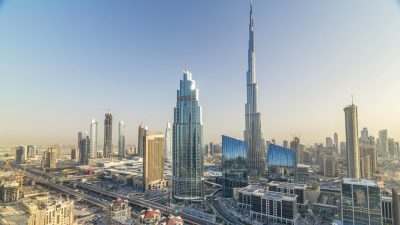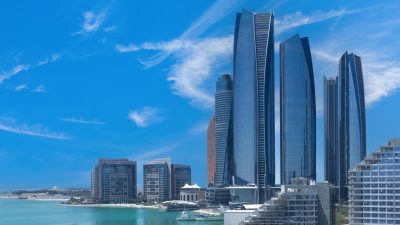






Cost of living Dubai 2026 is experiencing renewed upward pressure across multiple expense categories, as rental prices continue to rise sharply and consumer goods remain affected by ongoing inflation. Housing costs remain the dominant factor behind the overall increase, with average rental growth ranging between 8 and 15 percent across various locations and property types, driven by strong demand and limited availability in key residential areas.
For many residents, keeping up with these cost changes has become essential for salary negotiations, long-term budgeting, and major lifestyle decisions such as relocating, upgrading homes, or planning family expenses. Dubai’s continued economic expansion and steady population growth are adding pressure to demand, while supply constraints in certain segments are sustaining price increases.
👉 Read more: UAE Economy Growth 2026
Global inflation trends, supply chain disruptions, and currency movements continue to impact the cost of imported goods. At the same time, local demand driven by job creation and tourism growth is influencing service prices. However, government policies and subsidies are helping control increases in key areas such as utilities and public transport.
Housing Costs Drive Overall Living Expense Increases
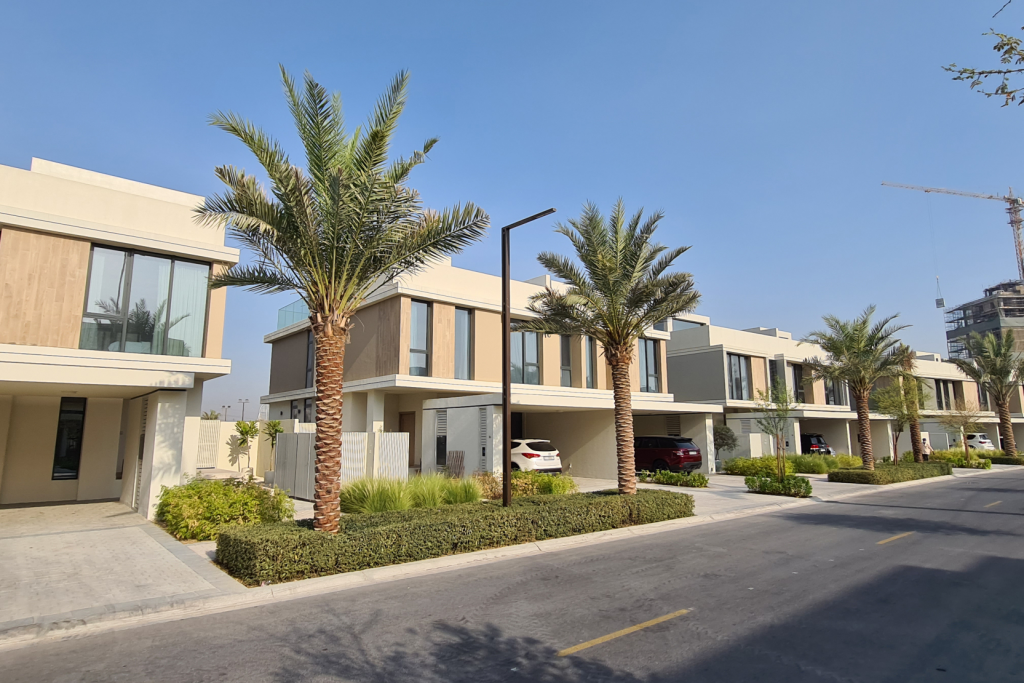
Rental price trends across Dubai show clear variation depending on location, property type, and building quality. Prime areas such as Downtown Dubai, Dubai Marina, Jumeirah Beach Residence, and Business Bay recorded rental increases between 10 and 20 percent during 2025. In contrast, newer or developing communities have seen more moderate growth of around 5 to 10 percent.
One-bedroom apartments in popular expat areas now typically range between AED 70,000 and AED 120,000 annually, depending on location, amenities, and building condition. Premium properties in central locations often exceed AED 150,000.
Two-bedroom apartments generally fall within AED 90,000 to AED 180,000 annually, while family-focused communities such as Dubai Hills Estate, Arabian Ranches, and Jumeirah Village Circle offer a broader range of options based on lifestyle and facilities.
Three-bedroom villas in established communities start from around AED 150,000 per year and can exceed AED 400,000 in premium locations with private amenities and exclusive facilities.
Shared accommodation is becoming increasingly common, particularly among younger professionals, with annual costs ranging between AED 25,000 and AED 50,000. This option provides significant savings while maintaining access to central areas.
👉 Related: Affordable Areas to Live in Dubai
Rental market conditions reflect strong demand from population growth and employment opportunities, while delays in new project completions continue to limit supply in high-demand areas.
Food and Dining Expense Categories
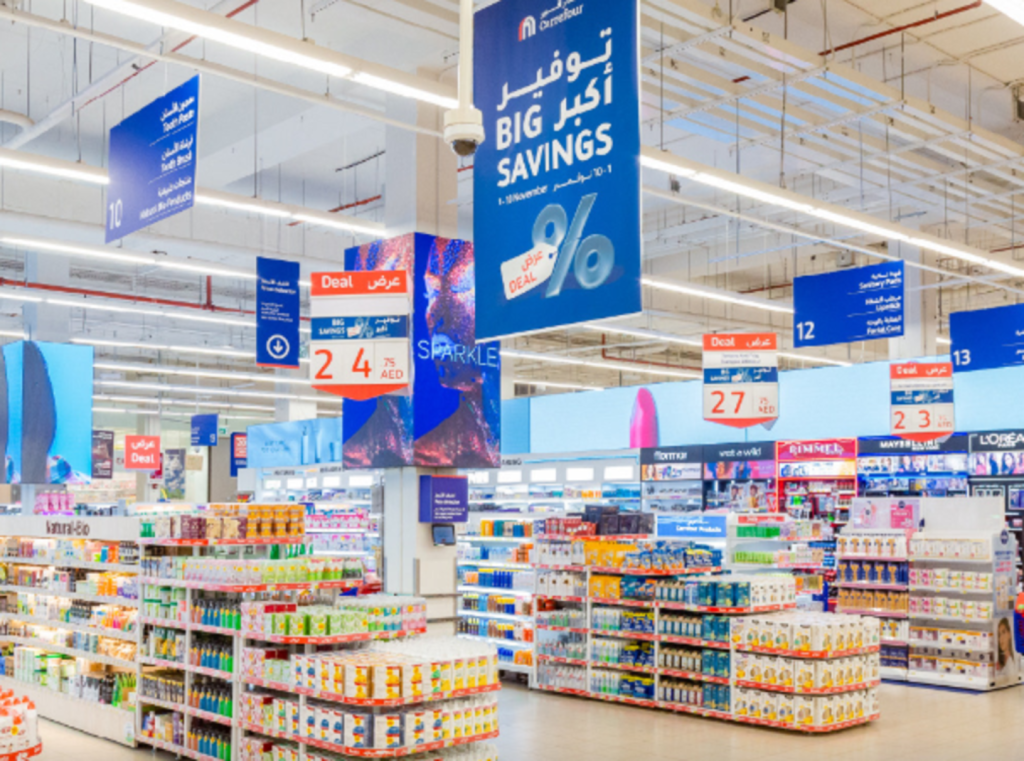
Food costs in Dubai continue to rise, largely influenced by global market conditions. Grocery prices have increased by approximately 6 to 8 percent annually, mainly due to higher import costs, logistics expenses, and currency fluctuations. Since the UAE imports a large share of its food, local pricing remains closely tied to international supply conditions.
Monthly grocery spending typically ranges from AED 800 to AED 1,500 for individuals, while families can expect to spend between AED 2,000 and AED 4,000 depending on lifestyle and preferences.
Restaurant prices are also rising, with casual dining now averaging AED 80 to AED 150 per person. Fine dining experiences can range from AED 200 to AED 500, depending on the venue and cuisine.
Food delivery services, although convenient, often increase monthly spending due to service fees and higher menu pricing. Regular use can raise food expenses by up to 30 percent compared to home cooking.
Transportation and Mobility Expense Analysis

Transportation costs remain relatively manageable, although certain elements are gradually increasing. Vehicle prices have risen slightly due to global supply issues, while insurance and maintenance costs continue to vary based on vehicle type and usage.
Fuel prices remain stable compared to global standards, supported by government policies. Petrol costs around AED 2.80 per liter, helping keep overall transport costs lower than in many international cities.
Vehicle insurance ranges from AED 1,500 to AED 4,000 annually, while parking fees in busy areas can add noticeable monthly costs.
Public transport continues to provide excellent value, with metro and bus systems offering wide coverage for less than AED 300 per month.
Taxi and ride-hailing services remain widely used, with monthly spending typically ranging from AED 500 to AED 1,500 depending on travel habits.
Healthcare and Medical Service Costs
Healthcare expenses are rising steadily, with costs increasing by around 4 to 6 percent annually. Consultation fees, diagnostics, and treatments are all becoming more expensive.
General doctor visits cost between AED 200 and AED 400, while specialist consultations range from AED 400 to AED 800.
Health insurance premiums are also increasing due to higher usage and expanded coverage requirements. Individual plans typically range from AED 3,000 to AED 15,000 annually, while family plans can reach AED 35,000.
Additional healthcare services such as dental care, physiotherapy, and mental health support contribute to overall medical expenses.
Education and Childcare Service Expenses
Education remains one of the largest financial commitments for families in Dubai. School fees continue to rise by 5 to 8 percent annually across most international schools.
Primary education costs range from AED 60,000 to AED 90,000, while secondary education can reach AED 120,000 depending on the curriculum.
Additional costs, including uniforms, transport, and extracurricular activities, can add AED 5,000 to AED 15,000 annually per child.
Nursery and childcare services cost between AED 30,000 and AED 60,000 annually, depending on the facility and program.
Utilities and Communication Service Costs
Utilities remain relatively stable due to efficient infrastructure and government regulation. Monthly electricity and water bills typically range from AED 200 to AED 600.
Internet services cost between AED 300 and AED 600 monthly, while mobile plans range from AED 100 to AED 400.
Entertainment subscriptions and streaming services can add another AED 200 to AED 500 monthly.
Entertainment and Leisure Activity Costs
Lifestyle expenses vary widely depending on personal preferences. Movie tickets range from AED 35 to AED 60, while fitness memberships cost between AED 200 and AED 800 monthly.
Social activities, dining, and entertainment can add AED 1,500 to AED 4,000 per month, especially for those who frequently go out.
Dubai’s growing events and entertainment scene offers a wide range of experiences, though often at premium prices.
Personal Care and Household Service Costs
Personal care services such as grooming and spa treatments continue to rise moderately. Monthly spending can range from AED 500 to AED 2,000 depending on lifestyle.
Household services, including cleaning and maintenance, typically cost between AED 400 and AED 1,200 per month.
Additional services such as laundry, delivery, and home improvements contribute further to monthly expenses.
Budget Management and Cost Optimization Strategies
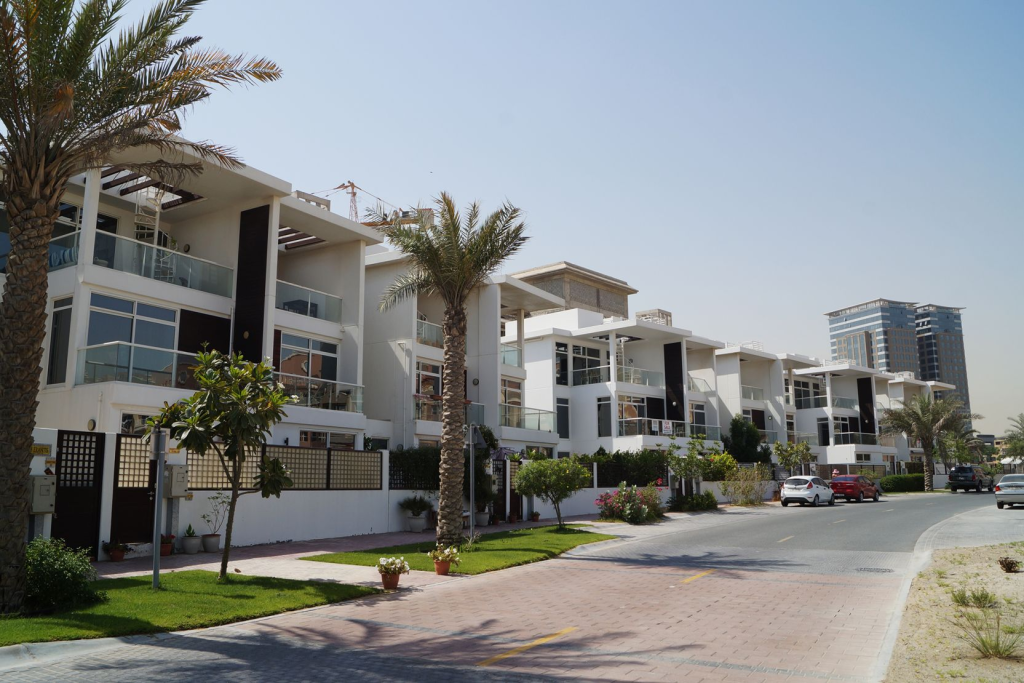
With rising costs, residents are increasingly focusing on smarter budgeting. Choosing more affordable housing locations, sharing accommodation, and using public transport are among the most effective ways to reduce expenses.
Cooking at home, planning purchases, and taking advantage of promotions can also significantly lower monthly costs.
Salary negotiations are becoming more important, with many employers offering allowances and benefits to offset rising living expenses.
Regional Cost Comparisons and Value Assessment
Despite rising costs, Dubai remains competitive globally due to its tax-free income structure. Compared to cities like London or New York, residents retain a larger portion of their earnings.
While Dubai may be more expensive than some regional cities, it offers higher-quality infrastructure, safety, and lifestyle benefits.
Future Cost Projections and Planning Considerations
Looking ahead, housing costs are expected to remain under pressure due to strong demand. However, new developments may help stabilize certain segments.
Government initiatives, infrastructure improvements, and economic growth are likely to support long-term balance in the market.
Salary growth in key sectors may also help offset rising costs for many professionals.